

Finding safe and effective insulation can be tough. Flammable materials pose risks. Fireproof options exist, though. We offer a solution.
Fireproof foam glass insulation is designed to prevent fires, withstand high temperatures, and offer durability in industrial applications. It’s made from recycled glass and is non-combustible.

When you need reliable insulation, you want to know if it's fireproof. We understand the importance of safety in industrial settings.
Is foam glass insulation fireproof?
Fire hazards are a concern in many industries. Flammable insulation can lead to costly damages. Reducing fire risks is crucial.
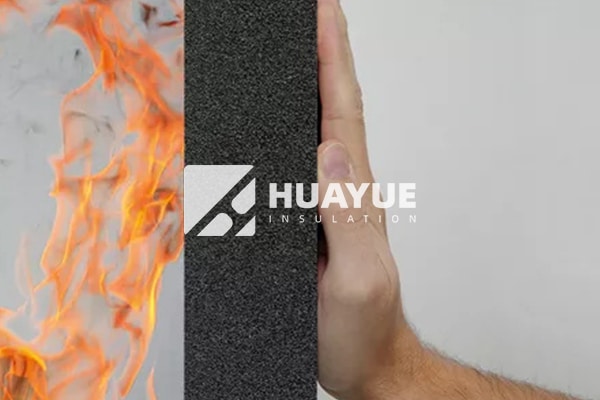
Foam glass insulation is indeed fireproof. It can endure temperatures up to 430°C without catching fire. Its cellular structure provides excellent protection against flames.
How does foam glass insulation resist fire?
Foam glass insulation is made from recycled glass, which is inherently fire-resistant. The closed-cell structure prevents the spread of flames and smoke. It acts as a barrier, protecting underlying materials. We’ve tested it extensively to ensure safety in factories. Its non-combustible nature offers peace of mind.
Additionally, foam glass insulation is chemically stable. It doesn't react or degrade under extreme heat. This makes it ideal for environments where fire safety is paramount. Industrial facilities often choose foam glass insulation for this reason. In high-risk areas, it can be the difference between safety and disaster.
What is the R value of foam glass insulation?
Insulation efficiency matters. Poor insulation leads to energy loss. R value is key in assessing performance.
Foam glass insulation has an R value of approximately 3.6 per inch. This provides moderate thermal resistance while maintaining fireproof qualities.
Understanding R Value
The R value measures thermal resistance. Higher R values indicate better insulation efficiency. Foam glass insulation offers a balance between fire safety and thermal performance. While it's not the highest R value available, its fireproof nature adds considerable value in industrial settings.
We’ve seen foam glass used in cold storage facilities. Its insulation properties help maintain consistent temperatures. Coupled with fireproof characteristics, it’s an effective solution. In scenarios where both thermal resistance and fire safety are required, foam glass insulation stands out.
Is there any insulation that is fireproof?
Some insulation options are flammable. Finding fireproof materials can be challenging. Safety is a priority.
Fireproof foam glass insulation is one of the few materials that can truly be considered fireproof. It withstands flames and high temperatures without compromising structural integrity.
Comparing Insulation Types
| Insulation Type | Fireproof | Maximum Temperature |
|---|---|---|
| Foam Glass | Yes | 430°C |
| Fiberglass | No | 300°C |
| Polyurethane Foam | No | 200°C |
Foam glass is distinct in its ability to resist fire. Other materials like fiberglass and polyurethane foam may offer thermal insulation but lack fire resistance. Industries facing high fire risks prefer foam glass. Its durability under extreme conditions is unmatched.
We frequently recommend foam glass for environments like chemical plants. The fireproof nature is critical. It prevents fires from spreading, protecting both personnel and equipment. In hazardous areas, it’s a trusted choice.
What is foam glass insulation used for?
Applications vary. Some insulations lack versatility. Foam glass insulation offers multiple uses.
It's commonly used in industrial settings, cold storage, and areas requiring high fire resistance. Its versatility extends to thermal and acoustic applications.
Diverse Applications
-
Industrial Facilities: Foam glass insulation is prevalent in factories where fire risks are high. It’s used on walls, ceilings, and equipment.
-
Cold Storage: Its thermal properties help maintain low temperatures, crucial for preserving perishable goods.
-
Acoustic Insulation: Beyond thermal protection, foam glass insulation also reduces noise levels, providing quieter work environments.
-
Construction: Used in building projects for its fireproof qualities. It offers both safety and thermal efficiency.
We’ve seen foam glass insulation make a difference in energy savings. While ensuring fire safety, it also improves thermal management. Its adaptability across various scenarios makes it invaluable.
What is the downside of foam insulation?
No product is perfect. Foam insulation has drawbacks. Understanding limitations is important.
Foam glass insulation is heavier than other materials and can be more costly upfront. It requires skilled installation to achieve optimal performance.
Installation Challenges
The density of foam glass insulation can pose challenges during installation. It’s heavier compared to materials like fiberglass, requiring secure mounting. Professional installation ensures it performs as intended. While the initial investment may be higher, the fire safety benefits outweigh the costs.
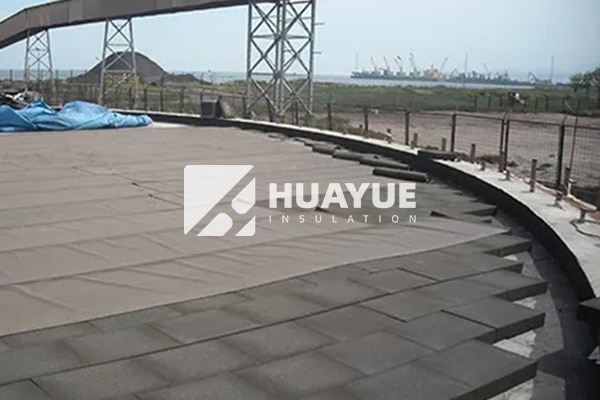
Additionally, foam glass insulation isn’t as flexible as some alternatives. It’s essential to plan installations carefully. The unique properties demand precise handling. Despite these considerations, the long-term safety advantages make it a worthwhile investment.
Conclusion
Fireproof foam glass insulation provides safety and efficiency in industrial applications. Its unique properties offer peace of mind where fire risks are a concern.