
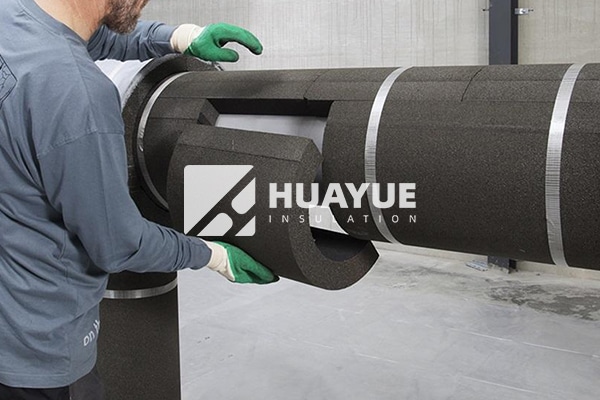
Foam glass insulation pipe is a high-performance material engineered for thermal and fire insulation of industrial piping systems.
Foam glass insulation pipe is a rigid, non-combustible pipe insulation product made from crushed glass and foaming agents, offering excellent thermal insulation, water resistance, and fireproofing for industrial pipes.
What is foam glass pipe insulation?
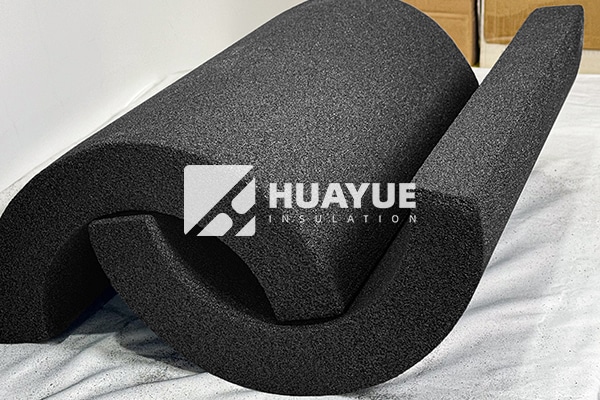
Foam glass pipe insulation is a pre-formed, tubular insulation product manufactured from crushed glass that is mixed with a foaming agent and then heat-treated. The result is a closed-cell, lightweight, and rigid pipe section that combines the durability of glass with the excellent insulating properties of foam.
Foam glass insulation pipe is designed to fit around various pipe diameters, typically supplied in half-shells or curved segments for easy installation. Its closed-cell structure means that the tiny glass bubbles inside are not connected, giving the pipe insulation its unique properties:
- Non-combustible: Foam glass does not burn, making it suitable for fire-risk environments.
- Low thermal conductivity: It effectively reduces heat loss in both hot and cold piping systems.
- Waterproof and vapor-tight: Unlike fibrous insulations, foam glass prevents ingress of water and water vapor, protecting the pipe and maintaining insulation performance.
- Chemical resistance: The glass composition resists most acids, solvents, and hydrocarbons.
- Dimensional stability: It does not shrink, swell, or degrade over time under normal operating conditions.
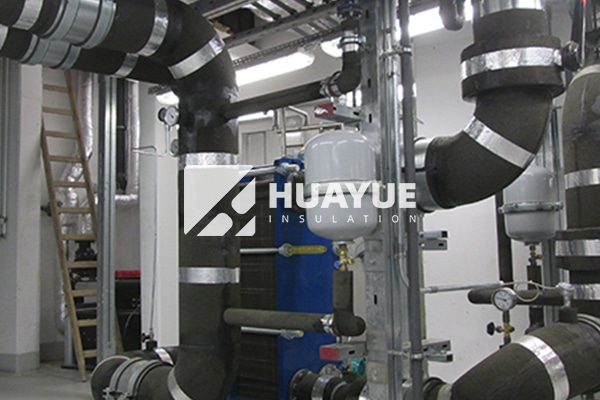
Foam glass pipe insulation is widely used in oil & gas, chemical processing, LNG, power generation, and other industries where reliable, long-term insulation is critical.
Does foam pipe insulation actually work?
Yes, foam pipe insulation—including foam glass insulation pipe—provides effective thermal insulation for piping systems. Its performance is based on the material’s closed-cell structure, which traps air and minimizes heat transfer.
Practical effectiveness:
- Energy savings: By reducing heat loss or gain, foam glass insulation helps maintain process temperatures and reduces energy costs.
- Condensation control: The vapor-tight structure prevents condensation and corrosion under insulation (CUI), a common problem in cold and cryogenic systems.
- Fire safety: Its non-combustible nature ensures insulation performance even in fire scenarios, helping protect critical infrastructure.
- Durability: Foam glass insulation maintains its properties over decades, with minimal maintenance.
Compared to other insulation types, foam glass is particularly valued for its dual resistance to fire and water, which is essential in many industrial environments.
| Property | Foam Glass Pipe | Rock Wool Pipe | Glass Wool Pipe |
|---|---|---|---|
| Thermal Conductivity | Low | Low | Low |
| Water Absorption | None | Possible | Possible |
| Fire Resistance | Excellent | Good | Good |
| Compressive Strength | High | Moderate | Moderate |
| Chemical Resistance | Excellent | Moderate | Moderate |
| Typical Applications | Industrial, LNG | HVAC, Power | HVAC, Power |
Does FOAM GLASS absorb water?
No, foam glass does not absorb water. Its closed-cell glass structure is inherently waterproof and vapor-tight. This property distinguishes foam glass from many fibrous or porous insulation materials.
Why this matters:
- Corrosion prevention: By blocking water and vapor, foam glass insulation prevents moisture from reaching the pipe surface, eliminating a primary cause of corrosion under insulation.
- Performance consistency: Insulation value remains stable over time, as water cannot enter and degrade the material.
- Low maintenance: Waterproof insulation reduces the need for frequent inspections or repairs due to water damage.
For industrial applications exposed to rain, humidity, or process spills, foam glass’s water resistance is a major advantage.
What should B2B buyers know about foam glass insulation pipe?
When specifying foam glass insulation pipe, B2B buyers—especially industrial engineers and procurement managers—should consider several key factors:
- Specifications: Standard pipe sizes (DN15 to DN1200 and above), thicknesses (typically 30-150 mm), and lengths are available. Custom sizes can often be produced.
- Thermal performance: Check the material’s thermal conductivity rating at your operating temperature range.
- Fire safety: Confirm the product is non-combustible (typically Euroclass A1 or equivalent).
- Mechanical strength: Foam glass insulation pipe offers high compressive strength, supporting heavy pipework and external loads.
- Surface finish: Options include plain, bitumen-coated, or aluminum foil-jacketed for added protection.
- Ease of installation: Pre-formed pipe sections reduce labor and installation time.
What should B2B buyers know about foam glass insulation pipe?
- Quality consistency: Choose suppliers with strict quality control and consistent production standards to ensure uniform density, cell structure, and dimensional accuracy.
- Certifications and compliance: Verify compliance with relevant international standards for fire performance, thermal conductivity, and environmental safety.
- Packaging and logistics: Foam glass insulation pipe is typically packed in cartons or on pallets. Ensure packaging protects against breakage during transit.
- Supplier reliability: Select manufacturers with proven experience, sufficient production capacity, and a track record of on-time delivery.
- Customization: Some projects may require pre-fabricated fittings, elbows, or special coatings. Discuss customization options early in the procurement process.
- Lifecycle cost: While initial cost may be higher than some alternatives, foam glass’s long service life and minimal maintenance can lower total cost of ownership.
FAQ
Q1: What temperatures can foam glass insulation pipe handle?
A1: Foam glass insulation pipe typically operates from -196°C to +430°C, making it suitable for cryogenic and high-temperature applications.
Q2: Is foam glass insulation pipe suitable for outdoor use?
A2: Yes, its waterproof and weather-resistant properties make it ideal for both indoor and outdoor installations.
Q3: How is foam glass insulation pipe installed?
A3: It is usually supplied in half-shells or curved segments, which are fitted around the pipe and sealed with adhesive or joint sealant.
Q4: Can foam glass insulation pipe be used for both hot and cold pipes?
A4: Yes, it is effective for both hot and cold service lines, including steam, chilled water, and cryogenic process pipes.
Q5: What is the typical density of foam glass insulation pipe?
A5: Densities generally range from 100 to 150 kg/m³, depending on the application and manufacturer.
Conclusion
Foam glass insulation pipe offers reliable, long-term thermal and fire protection for industrial piping. Its unique combination of waterproofness, fire resistance, and durability makes it a preferred choice for critical applications.