

Foam glass blocks are high-performance insulation materials widely used in modern construction for their durability, thermal efficiency, and resistance to moisture and pests.
Foam glass blocks are rigid, cellular glass insulation products valued for their non-combustibility, water resistance, and long-term thermal performance in building and industrial applications.
What is foam glass used for?
Foam glass blocks are primarily used as thermal and fire insulation in building envelopes, flat roofs, underground structures, and industrial facilities. Their closed-cell structure provides excellent compressive strength and limits water absorption, making them suitable for areas exposed to moisture, high mechanical loads, or where non-combustibility is critical.
In commercial construction, foam glass blocks are specified for:
- Insulating foundation slabs and basement walls
- Flat and green roof insulation
- Perimeter insulation for below-grade applications
- Insulation for cold rooms, storage tanks, and process piping in industrial plants
- Fireproof insulation barriers
Their chemical stability allows use in contact with most construction materials, including concrete, steel, and waterproofing membranes. Foam glass blocks are also resistant to most acids and solvents, which is beneficial in demanding industrial environments.
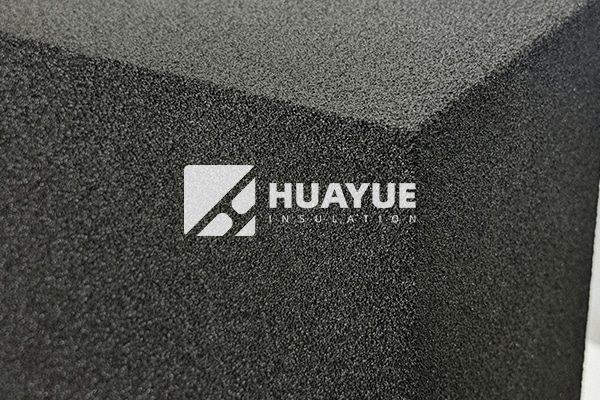
Can FOAM GLASS get wet?
Foam glass blocks do not absorb water due to their closed-cell, non-porous glass structure. This unique property means they maintain insulating performance even in direct contact with moisture or when used below grade. Unlike some fibrous or open-cell insulation, foam glass does not wick water, swell, or degrade over time from repeated wetting.
In practice, this makes foam glass blocks highly reliable in:
- Foundation and basement insulation, where groundwater or capillary moisture is present
- Green roofs and inverted roof systems exposed to rainwater
- Cold storage and refrigeration projects, where condensation or freeze-thaw cycles occur
Additionally, foam glass blocks are vapor-tight, helping prevent moisture migration and reducing the risk of mold or corrosion in building assemblies.
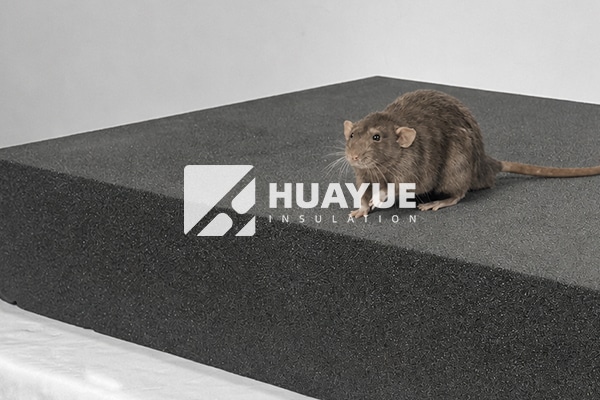
Do rodents like foam glass board insulation?
Rodents do not find foam glass blocks attractive for nesting or chewing. The inorganic, rigid glass structure offers no nutritional value and is too hard for rodents to penetrate or damage. This makes foam glass blocks an excellent choice for insulation in areas where pest resistance is required, such as:
- Perimeter insulation in slab-on-grade construction
- Insulation in agricultural or food processing facilities
- Industrial and commercial buildings with strict pest control requirements
Compared to organic-based insulation materials (such as expanded polystyrene or mineral wool), foam glass blocks offer superior resistance to rodents, insects, and other pests.
What should B2B buyers know about foam glass blocks #4?
B2B buyers should consider the technical specifications and certifications of foam glass blocks to ensure compliance with project requirements. Key parameters include:
- Compressive strength: Typically ranges from 0.7 to 1.6 MPa, suitable for load-bearing insulation applications.
- Thermal conductivity: Generally in the range of 0.038–0.055 W/(m·K), ensuring high insulation efficiency.
- Fire resistance: Foam glass is non-combustible (Euroclass A1), making it suitable for fire-rated assemblies.
- Dimensions and formats: Blocks are available in standard sizes, with custom dimensions possible for large projects.
When sourcing, buyers should verify the consistency of product quality, batch testing, and the manufacturer's ability to provide technical support and documentation. Packaging and shipment methods should protect against breakage, as foam glass is rigid but can be brittle under impact.
Foam Glass Blocks vs. Other Rigid Insulation Materials
| Property | Foam Glass Blocks | Extruded Polystyrene (XPS) | Polyisocyanurate (PIR) | Mineral Wool Board |
|---|---|---|---|---|
| Water Absorption | Very low | Low | Low | Moderate |
| Fire Resistance | Non-combustible | Limited | Good | Non-combustible |
| Pest Resistance | Excellent | Limited | Limited | Good |
| Compressive Strength | High | High | Moderate | Moderate |
| Chemical Stability | Excellent | Limited | Limited | Good |
| Typical Applications | Below grade, roofs, industrial | Roofs, walls, below grade | Roofs, walls | Walls, roofs |
What should B2B buyers know about foam glass blocks #5?
Buyers should assess the lifecycle cost and sustainability benefits of foam glass blocks. While initial material costs may be higher than some alternatives, foam glass offers significant long-term value through:
- Durability: Maintains performance for decades without degradation.
- Low maintenance: Resistant to water, pests, and most chemicals, reducing replacement and repair needs.
- Environmental profile: Made from recycled glass, foam glass blocks are inert, non-toxic, and fully recyclable at end of life.
- Customization: Some manufacturers offer tailored block sizes, densities, or pre-cut shapes for project-specific requirements.
- Lead time and logistics: Reliable suppliers maintain consistent stock and can meet project delivery schedules.
When evaluating suppliers, consider their track record, technical support, and ability to provide samples or project references. Consistent quality and documentation (such as test reports and conformity declarations) are essential for large-scale or regulated projects.
FAQ
Q: Are foam glass blocks suitable for high-load applications like foundation insulation?
A: Yes, foam glass blocks offer high compressive strength, making them suitable for load-bearing insulation under slabs and foundations.
Q: Can foam glass blocks be used in green roofs or inverted roof systems?
A: Yes, their water resistance and durability make them ideal for roof insulation exposed to moisture and vegetation.
Q: Are foam glass blocks environmentally friendly?
A: Foam glass blocks are made from recycled glass and are fully recyclable, supporting sustainable building practices.
Q: Do foam glass blocks require special installation tools?
A: Standard cutting tools for glass or masonry are typically sufficient; always follow manufacturer guidelines for best results.
Q: What packaging options are available for foam glass blocks?
A: Blocks are usually packed on pallets with protective wrapping to minimize breakage during transport.
Conclusion
Foam glass blocks provide durable, moisture-resistant, and pest-proof insulation for demanding construction and industrial applications. Their long-term performance and sustainability make them a reliable choice for specifiers and B2B buyers.