

Foam glass block is a high-performance insulation material used for demanding construction and industrial applications.
Foam glass block offers exceptional thermal insulation, water resistance, and compressive strength, making it ideal for building envelopes, industrial piping, and underground projects.
What is foam glass used for?
Foam glass block is widely used in construction and industrial sectors for its reliable insulation and durability. Its main applications include:
- Building envelope insulation (walls, roofs, floors)
- Underground structures (foundations, basements, tunnels)
- Industrial piping and tanks (chemical plants, refineries)
- Cold storage facilities and refrigeration systems
- Fire-resistant barriers
Foam glass block is produced by heating crushed glass with a foaming agent, resulting in a rigid, lightweight material filled with closed cells. This structure provides excellent thermal insulation and prevents moisture penetration, making it suitable for environments where long-term performance and safety are critical.
Compared to conventional insulation materials like rock wool or glass wool, foam glass block is non-combustible and chemically inert. It does not degrade in harsh conditions, including exposure to acids, alkalis, or vermin. Its dimensional stability and resistance to aging make it a preferred choice for engineers designing durable insulation systems.
Foam glass block is also favored in green building projects due to its recycled content and low environmental impact. It can be used as a thermal break in concrete structures, providing energy savings and reducing condensation risks.
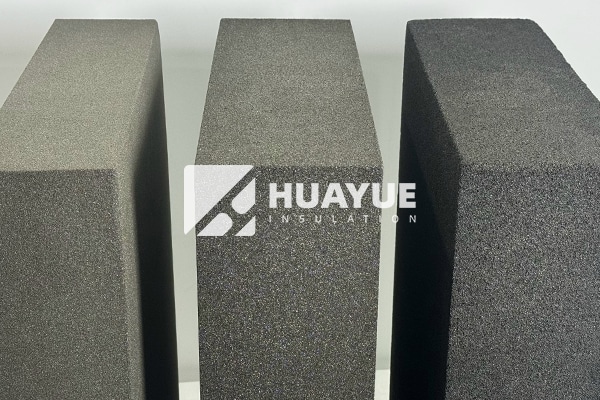
Typical Applications Table
| Application Area | Advantages of Foam Glass Block | Typical Specifications |
|---|---|---|
| Building Envelope | Thermal, moisture, fire resistance | Size: 600x450x100 mm, Density: 120 kg/m³ |
| Underground Construction | Compression, water resistance | Size: 600x450x150 mm, Density: 150 kg/m³ |
| Industrial Piping | Chemical stability, durability | Size: 600x600x100 mm, Density: 140 kg/m³ |
| Cold Storage | Thermal, vapor barrier | Size: 600x450x120 mm, Density: 130 kg/m³ |
How strong is foam glass?
Foam glass block is known for its impressive compressive strength and mechanical stability. Typical compressive strength values range from 0.6 to 1.6 MPa, depending on density and manufacturing quality. This allows foam glass block to support heavy loads in building foundations, underground structures, and industrial installations.
Foam glass block's strength comes from its closed-cell structure and glass matrix. Unlike fibrous insulation, it does not deform under sustained pressure. It can be used under concrete slabs, in road construction, or as a load-bearing insulation layer.
For B2B buyers, strength is a key selection criterion. Engineers must match compressive strength to project requirements, considering factors such as load, installation environment, and long-term performance. Higher-density blocks offer greater strength but may increase material cost.
Specification Comparison Table
| Property | Foam Glass Block | Rock Wool Board | Glass Wool Blanket |
|---|---|---|---|
| Compressive Strength | 0.6 - 1.6 MPa | 0.05 - 0.12 MPa | 0.02 - 0.07 MPa |
| Water Absorption | < 0.5% | 1-3% | 2-5% |
| Fire Resistance | Non-combustible | Non-combustible | Non-combustible |
| Chemical Stability | Excellent | Moderate | Moderate |
Does FOAM GLASs absorb water?
Foam glass block does not absorb water. Its closed-cell structure prevents liquid penetration, ensuring consistent insulation performance even in wet or submerged environments. Water absorption rates are typically below 0.5% by volume, making foam glass block ideal for underground, exterior, or high-humidity applications.
This property distinguishes foam glass block from fibrous insulations, which may retain moisture and lose effectiveness over time. In projects where water resistance is critical—such as tunnel insulation, foundation protection, or cold storage—foam glass block delivers reliable performance.
Moisture resistance also means foam glass block prevents microbial growth, corrosion, and freeze-thaw damage. It maintains its shape and insulation value throughout its service life, reducing maintenance and replacement costs.
What should B2B buyers know about foam glass block #4?
Foam glass block #4 refers to a specific product grade or specification, often designated by density, size, or intended application. For B2B buyers, understanding these parameters is essential for optimal selection and project success.
Key considerations include:
- Density and Strength: Foam glass block #4 may offer a density suitable for heavy-load applications, balancing compressive strength and insulation value.
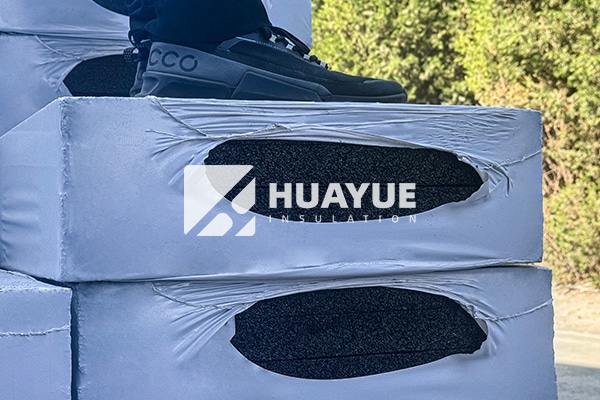
- Dimensions and Packaging: Standard sizes (e.g., 600x450x100 mm) are available, but custom dimensions can be supplied for unique project requirements. Blocks are typically shipped on pallets, protected from impact and moisture.
- Quality Consistency: Reliable suppliers, like HUAYUE Group, use strict process controls to ensure uniform density, cell structure, and thermal performance across batches.
- Certifications: Foam glass block may comply with relevant international standards (EN, ASTM) for fire resistance, thermal conductivity, and environmental safety. Buyers should request documentation as part of their procurement process.
- Lead Time and Logistics: Production lead time varies by order size and customization. Large projects may require advance planning and coordination with suppliers for timely delivery.
- Lifecycle Cost: While initial material cost may be higher than fibrous insulations, foam glass block offers lower maintenance, longer service life, and reduced replacement frequency, resulting in favorable lifecycle economics.
B2B Selection Table
| Parameter | Typical Range for Block #4 | Buyer Advice |
|---|---|---|
| Density | 120-150 kg/m³ | Match to load and insulation needs |
| Size | 600x450x100 mm | Custom sizes available |
| Thermal Conductivity | 0.038-0.045 W/m·K | Verify with supplier |
| Packaging | Palletized, wrapped | Inspect for transit damage |
| Certifications | EN, ASTM | Request test reports |
| Lead Time | 2-4 weeks | Plan ahead for large orders |
FAQ
Q1: Can foam glass block be used outdoors?
Yes, foam glass block is suitable for outdoor use due to its weather, water, and UV resistance.
Q2: Is foam glass block fireproof?
Foam glass block is non-combustible and provides excellent fire protection.
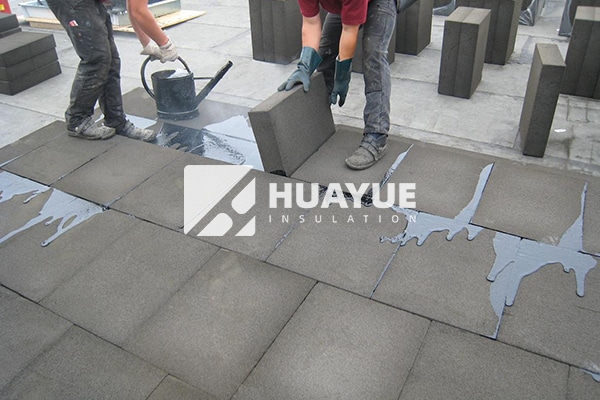
Q3: How is foam glass block installed?
Blocks can be cut, bonded, or mechanically fixed. Installation methods depend on project requirements.
Q4: Does foam glass block provide sound insulation?
Foam glass block offers moderate acoustic insulation, but is primarily used for thermal and moisture protection.
Q5: Is foam glass block environmentally friendly?
Foam glass block is made from recycled glass and is chemically inert, supporting green building objectives.
Q6: Can foam glass block be customized for specific projects?
Yes, suppliers can provide custom sizes, densities, and shapes based on project needs.
Conclusion
Foam glass block is a durable, efficient, and water-resistant insulation solution for demanding construction and industrial projects. B2B buyers benefit from its performance, reliability, and lifecycle value when selecting the right grade and supplier.