
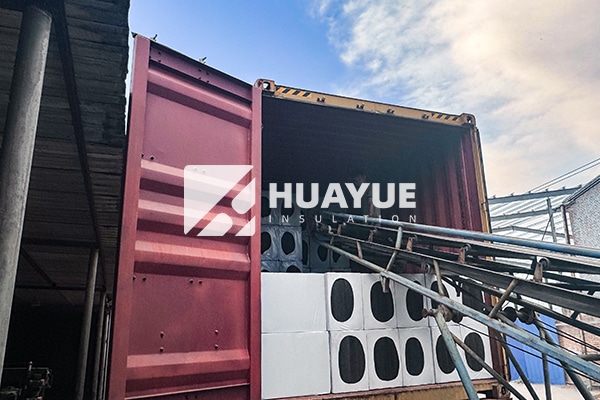
Cellular glass insulation is a top choice for LNG infrastructure due to its unique physical properties, reliability, and proven performance in demanding environments.
Global Project Excellence: Why Major LNG Projects Trust Our Cellular Glass centers on its exceptional cryogenic stability, rigorous certifications, climate-adapted packaging, massive output, and supply chain advantages—making it the preferred insulation for LNG megaprojects worldwide.
Cryogenic Performance: The Physical Superiority of Our Foam Glass
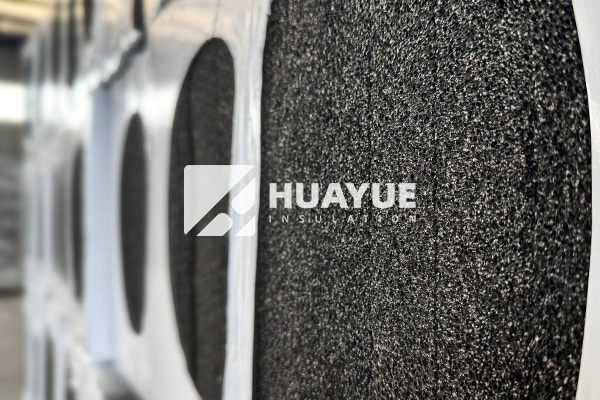
Cellular glass insulation stands out in LNG projects because of its unmatched physical properties at cryogenic temperatures. Its closed-cell structure delivers zero capillarity, ensuring no moisture penetration or freeze–thaw degradation. This makes it ideal for environments where liquid natural gas is stored or transported at temperatures as low as -196°C.
In LNG terminals and pipelines, insulation must prevent thermal bridging, resist water absorption, and maintain compressive strength under extreme cold. Foam glass meets these requirements, outperforming organic foams and mineral wool in cryogenic stability and dimensional consistency. Its incombustible nature (Euroclass A1) adds a critical safety layer, while its resistance to most chemicals and biological attack ensures long-term durability.
| Property | Cellular Glass | Polyurethane Foam | Rock Wool |
|---|---|---|---|
| Water Absorption | <0.5% (negligible) | 2–4% | 1–2% |
| Compressive Strength | High | Moderate | Moderate |
| Fire Resistance | Non-combustible | Combustible | Non-combustible |
| Cryogenic Suitability | Excellent | Moderate | Poor |
Meeting Rigorous Standards: Success in Third-Party Lab Certifications
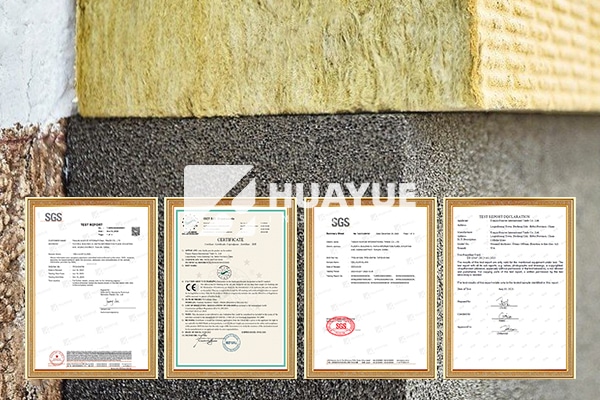
Global Project Excellence: Why Major LNG Projects Trust Our Cellular Glass is closely linked to its ability to meet and exceed international testing and certification standards. For LNG applications, insulation materials are typically required to pass stringent third-party laboratory testing, including thermal conductivity, compressive strength, water absorption, and fire resistance.
Our foam glass is regularly tested according to ASTM C552, EN 14305, and ISO 9001 quality management protocols. It consistently achieves or surpasses the values demanded by major EPC contractors and LNG operators. Third-party certifications not only validate product quality but also ensure compliance with local regulations in various regions, streamlining project approvals.
Procurement specialists should always request up-to-date test reports, batch traceability, and certification documentation from suppliers. These steps minimize project risk and ensure that the insulation will perform as required over the lifetime of the LNG asset.
Regional Packaging: Protection for Middle East & SE Asia Climates
Exporting cellular glass to the Middle East and Southeast Asia introduces unique logistical challenges due to high heat, humidity, and dust. Global Project Excellence: Why Major LNG Projects Trust Our Cellular Glass is partly due to robust, tailored packaging solutions that safeguard product integrity from factory to jobsite.
Our packaging systems use multi-layer wrapping, UV-resistant films, and reinforced pallets to prevent moisture ingress and surface damage during long sea voyages and on-site storage. For projects in coastal or desert regions, additional desiccant packs and vented containers are deployed to combat condensation and thermal cycling.
These region-specific packaging methods help maintain the cellular glass’s low water absorption and mechanical strength, ensuring that the insulation arrives ready for immediate installation—even after weeks in harsh transit conditions.
Massive Daily Output: Stable Supply for Mega Infrastructure Projects
Large-scale LNG projects require vast, predictable volumes of insulation on tight schedules. With Global Project Excellence: Why Major LNG Projects Trust Our Cellular Glass, daily production capacities of thousands of cubic meters are crucial to keeping up with project timelines.
Our advanced manufacturing lines are designed for continuous, high-volume output with strict process controls. This enables us to fulfill jumbo orders for pipe, board, and block forms without supply interruptions. For procurement teams, this means fewer delays, simplified logistics, and confidence that insulation will not become a bottleneck.
Consistent production also supports quality uniformity across all batches, reducing the risk of on-site rejections or installation problems. For mega-projects, a stable supply chain is as important as product performance.
| Specification | Typical Value Range | Customization Available |
|---|---|---|
| Board Size (mm) | 600 x 450 to 1200 x 600 | Yes |
| Thickness (mm) | 40–150 | Yes |
| Density (kg/m³) | 100–130 | Yes |
| Daily Output (m³) | 500–2000 | Yes |
Port Proximity Advantage: Shortening the Factory-to-Jobsite Cycle
Another reason for Global Project Excellence: Why Major LNG Projects Trust Our Cellular Glass is our strategic plant locations near major seaports. Shorter inland transportation reduces transit risk, lowers shipping costs, and speeds up delivery to international jobsites.
For LNG projects in the Middle East, Southeast Asia, or Africa, direct port access enables us to consolidate shipments, offer flexible containerization, and respond rapidly to schedule changes. This proximity is particularly valuable when project phases overlap or require urgent material replenishment.
By minimizing the factory-to-jobsite cycle, we help project managers maintain tight construction schedules and control overall costs.
FAQ
Q1: Why is cellular glass preferred over other insulation types for LNG projects?
Cellular glass offers superior cryogenic performance, zero water absorption, high compressive strength, and non-combustibility—key requirements for LNG applications.
Q2: What certifications should I request when sourcing cellular glass insulation?
Request ASTM C552, EN 14305, ISO 9001, and recent third-party lab reports to verify compliance and performance.
Q3: How does packaging affect insulation quality during export?
Proper packaging prevents moisture ingress, physical damage, and thermal shock, ensuring the insulation’s properties remain intact through harsh shipping and storage conditions.
Q4: Can cellular glass insulation be customized for specific LNG project needs?
Yes. Board size, thickness, density, and even packaging can be tailored to project specifications and regional requirements.
Q5: How does factory location impact project logistics?
Factories near major ports enable faster, more reliable shipments, reducing lead times and logistics risks for international LNG projects.
Conclusion
Global Project Excellence: Why Major LNG Projects Trust Our Cellular Glass is proven by its technical reliability, robust certifications, climate-adapted packaging, high-volume output, and strategic supply chain advantages—making it the insulation of choice for LNG megaprojects worldwide.