
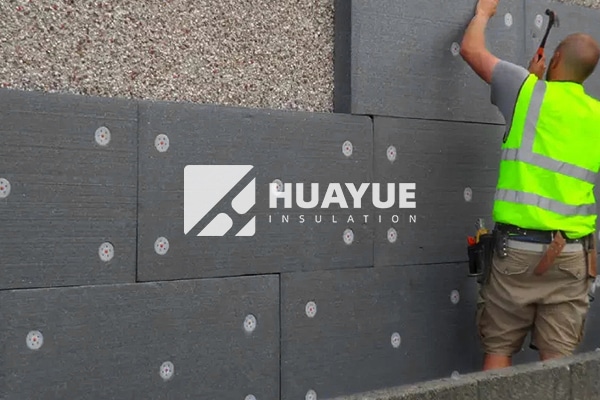
Sustainable Manufacturing: The Eco-Friendly DNA of Our Cellular Glass is transforming green building projects by combining advanced insulation performance with genuine environmental responsibility.
Sustainable Manufacturing: The Eco-Friendly DNA of Our Cellular Glass refers to producing cellular glass insulation using recycled glass, low-carbon processes, and eco-friendly practices, resulting in a durable, high-performance material that supports long-term sustainability goals and global green building certifications.
From Recycled Glass to High-Performance Insulation: Our Green Process
Sustainable Manufacturing: The Eco-Friendly DNA of Our Cellular Glass starts with a commitment to circularity—using post-consumer recycled glass as the primary raw material. This closed-loop approach diverts glass waste from landfills and reduces the demand for virgin resources.
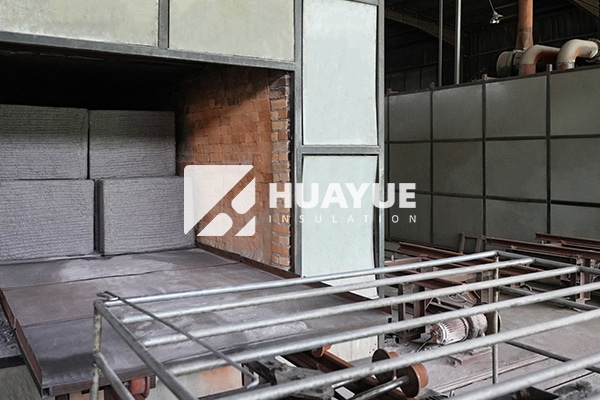
The process involves crushing recycled glass, blending it with a small amount of foaming agent, and then heating the mixture in a controlled furnace. As the temperature rises, the foaming agent releases gas, forming millions of tiny, sealed cells within the glass matrix. The result is cellular glass, a rigid, lightweight, and non-combustible insulation material.
Key eco-friendly steps include:
- Sourcing locally available recycled glass to minimize transport emissions.
- Energy-efficient melting and foaming using optimized kiln designs.
- Zero hazardous byproducts—no CFCs, HCFCs, or toxic emissions during manufacturing.
- Recyclable offcuts and end-of-life material, supporting a cradle-to-cradle lifecycle.
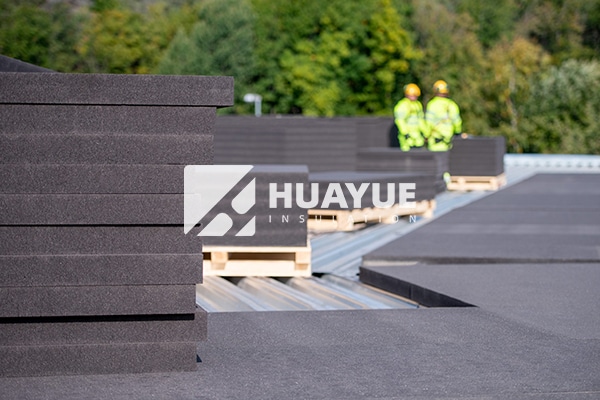
This green process delivers a high-performance insulation material with a low embodied carbon footprint, making it ideal for sustainability managers and procurement specialists seeking reliable, eco-conscious solutions.
Low-Carbon Production: Adhering to Modern Emission Standards
Sustainable Manufacturing: The Eco-Friendly DNA of Our Cellular Glass means every production stage is engineered for minimal environmental impact. Modern cellular glass plants use advanced emission control systems to comply with—and often exceed—the strictest global standards.
Key elements include:
- Closed-loop furnace systems that capture and reuse waste heat, cutting energy demand.
- Continuous emissions monitoring for particulates, NOx, and SOx, ensuring real-time compliance.
- Electrification options for kilns, supporting renewable energy integration.
- No use of ozone-depleting blowing agents—unlike some foam plastics.
Here’s a comparison of typical insulation materials and their carbon profiles:
| Material Type | Main Raw Material | Blowing Agent/Emissions | Typical Global Warming Potential (GWP) | Recyclability |
|---|---|---|---|---|
| Cellular Glass | Recycled glass | None (inert foaming agent) | Very low | High |
| Polyisocyanurate | Petrochemicals | Hydrocarbons, CO2 | Moderate to high | Low |
| Mineral Wool | Basalt, slag | None | Moderate | Moderate |
| EPS/XPS Foam | Petrochemicals | HFCs, pentane | High | Low |
This low-carbon profile helps green building projects meet tough carbon reduction targets and future-proofs insulation choices against evolving regulations.
50-Year Lifespan: Reducing Long-Term Maintenance for Green Buildings
Sustainable Manufacturing: The Eco-Friendly DNA of Our Cellular Glass delivers not only a green product but also exceptional durability. Cellular glass insulation is renowned for its closed-cell structure, which prevents water absorption, microbial growth, and physical degradation.
Key benefits for green buildings include:
- Typical service life exceeding 50 years—matching or surpassing building lifespans.
- No loss of thermal performance over time, unlike some organic foams that shrink or degrade.
- No need for replacement due to rot, mold, or insect attack.
- Resistant to fire, chemicals, and rodents—reducing risk and maintenance costs.
For sustainability managers, this means fewer material replacements, lower lifecycle costs, and less waste generation over decades of building operation.
Global Green Certifications: Supporting LEED or BREEAM Ratings
Sustainable Manufacturing: The Eco-Friendly DNA of Our Cellular Glass supports international green building standards such as LEED (Leadership in Energy and Environmental Design) and BREEAM (Building Research Establishment Environmental Assessment Method).
How does cellular glass insulation contribute?
- Recycled content credits through high post-consumer glass input.
- Low-emission material credits due to absence of VOCs, formaldehyde, or hazardous chemicals.
- Durability and lifecycle credits for long service life and minimal maintenance.
- End-of-life recyclability supporting circular economy points.
B2B buyers should request product documentation, such as environmental product declarations (EPDs) and material safety data sheets (MSDS), to streamline certification submissions and verify alignment with project goals.
What should B2B buyers know about Sustainable Manufacturing: The Eco-Friendly DNA of Our Cellular Glass #5
When considering Sustainable Manufacturing: The Eco-Friendly DNA of Our Cellular Glass, B2B buyers should focus on the following:
- Product Forms: Boards, pipes, blocks, and gravel for diverse applications (roofs, walls, foundations, industrial piping).
- Specifications: Confirm thermal conductivity, compressive strength, thickness, and density based on project needs.
- Certifications: Look for EPDs, CE marking, or local green labels where required.
- Packaging & Lead Time: Request recyclable packaging options and clarify delivery schedules.
- Supplier Reliability: Choose established manufacturers with consistent quality records, technical support, and proven green credentials.
- Customization: Ask about tailored sizes, shapes, or performance grades for unique applications.
- Lifecycle Cost: Consider durability and reduced maintenance when evaluating total cost of ownership.
FAQ
Q1: Is cellular glass insulation suitable for below-grade or high-moisture environments?
Yes, its closed-cell structure makes it impermeable to water, ideal for foundations, basements, and inverted roofs.
Q2: How does cellular glass compare to mineral wool for fire safety?
Both are non-combustible, but cellular glass offers zero smoke or toxic gas release and can withstand higher temperatures.
Q3: Can cellular glass insulation help reduce operational energy use?
Yes, its stable R-value ensures consistent thermal performance, minimizing heating and cooling losses over decades.
Q4: Is the recycled glass content in cellular glass insulation verified?
Reputable manufacturers provide documentation of recycled content percentages, supporting green building certification requirements.
Q5: What is the minimum order quantity (MOQ) for B2B projects?
MOQs vary by supplier and product form; discuss project specifics to ensure timely supply and best pricing.
Conclusion
Sustainable Manufacturing: The Eco-Friendly DNA of Our Cellular Glass empowers green building professionals with insulation that is truly sustainable, durable, and globally recognized for environmental performance.