
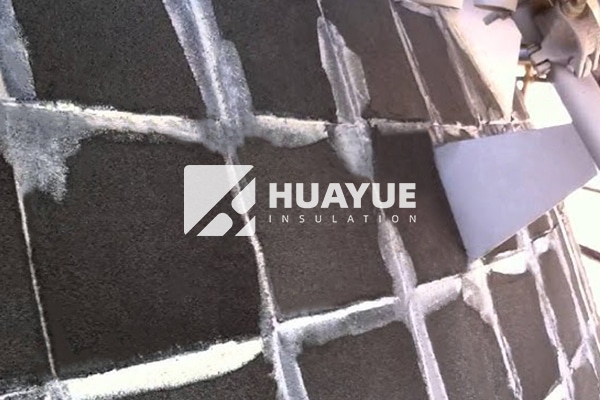
Looking to buy foam glass block for industrial or construction insulation? This article explains sourcing, product selection, and key buying factors for procurement managers.
To buy foam glass block, B2B buyers should evaluate supplier reliability, product specifications, certification, and application suitability. Sourcing from reputable manufacturers or distributors ensures quality, consistency, and timely delivery for insulation projects.
where to buy foam glass insulation?
Foam glass insulation is available through specialized manufacturers, authorized distributors, and international trading platforms. When you buy foam glass block, prioritize suppliers with proven expertise in cellular glass production, reliable logistics, and transparent quality documentation. Leading producers often provide technical support and can customize blocks for specific project needs.
For global procurement, options include:
- Direct purchase from manufacturers (such as HUAYUE Group)
- Authorized distributors and agents
- B2B platforms (e.g., Alibaba, Global Sources)
- Local construction material suppliers (for smaller orders)
When sourcing, request samples, check certifications (like ISO), and clarify packaging, delivery times, and after-sales support. Bulk buyers should negotiate terms for larger shipments and ensure consistent supply.

foam glass cellular glass insulation?
Foam glass, also known as cellular glass insulation, is a rigid, closed-cell material made by melting glass and adding foaming agents. Buyers looking to buy foam glass block benefit from its high compressive strength, moisture resistance, and fireproof properties, making it ideal for demanding industrial and construction environments.
Cellular glass insulation blocks are typically used for:
- Building envelope insulation (walls, roofs, foundations)
- Industrial pipe and equipment insulation
- Cold storage and cryogenic applications
- Underground or below-grade installations
Compared to other insulation materials, foam glass blocks offer:
| Property | Foam Glass Block | Rock Wool Board | Glass Wool Board |
|---|---|---|---|
| Water Absorption | Very Low | Moderate | Moderate |
| Fire Resistance | Excellent | Excellent | Good |
| Compressive Strength | High | Moderate | Low |
| Thermal Conductivity | Low | Low | Low |
| Chemical Resistance | Excellent | Moderate | Moderate |
When specifying foam glass cellular glass insulation, verify block density, thickness, and dimensional tolerances. Ensure the material meets project-specific standards, especially for thermal and fire performance.

foam glass insulation board?
Foam glass insulation board is a flat, rigid form of cellular glass, differing from blocks mainly in shape and intended use. Buyers who want to buy foam glass block should understand the distinction: blocks are typically thicker and used for structural insulation, while boards are thinner and suited for surface applications.
Foam glass insulation boards are ideal for:
- Flat roof insulation
- Wall panels
- Floor insulation
- Equipment surfaces
When choosing between blocks and boards, consider:
- Project requirements (load-bearing, surface area, thickness)
- Installation method (mechanical fixing, adhesive)
- Packaging and shipment (boards may be easier to handle for large surfaces)
Both forms offer the same core benefits: non-combustibility, moisture resistance, and durability. However, blocks may be preferable for heavy-duty or below-grade applications, while boards are often selected for ease of installation.
What should B2B buyers know about buy foam glass block ?
When you buy foam glass block, several B2B considerations are critical for successful procurement:
- Specifications: Confirm block size, density, compressive strength, and thermal conductivity. Standard sizes range from 600x600mm to 1200x600mm, with thicknesses from 50mm to 200mm.
- Certification: Ensure blocks comply with relevant international standards (e.g., EN, ASTM, ISO) for thermal, fire, and environmental safety.
- Quality Consistency: Request batch test reports and inspect samples to verify uniformity.
- Packaging: Blocks should be securely packaged for transport, typically in shrink-wrapped pallets or custom crates for export.
- Lead Time: Clarify production and delivery schedules, especially for custom sizes or large orders.
| Selection Criteria | Typical Requirement | Why It Matters |
|---|---|---|
| Density | 120-180 kg/m³ | Affects strength and insulation |
| Thermal Conductivity | 0.038-0.045 W/m·K | Determines energy efficiency |
| Compressive Strength | ≥0.8 MPa | Supports structural loads |
| Certification | ISO, EN, ASTM | Ensures compliance |
| Packaging | Palletized/crated | Prevents damage in transit |
Procurement managers should also assess supplier responsiveness, ability to customize, and after-sales service.
What should B2B buyers know about buy foam glass block ?
B2B buyers looking to buy foam glass block must evaluate lifecycle costs, installation requirements, and supply chain reliability:
- Lifecycle Cost: While foam glass blocks may have a higher upfront price than some alternatives, their durability and minimal maintenance reduce long-term expenses.
- Installation: Blocks require precise handling and may need specialized adhesives or mechanical fasteners. Training for installers can improve performance and reduce waste.
- Supply Chain: Choose suppliers with stable production capacity, international shipping expertise, and proven track records in large-scale projects.
- Customization: Some manufacturers offer custom block sizes, pre-cut shapes, or integrated features for unique applications.
- Sustainability: Foam glass is typically made from recycled glass, supporting green building goals. Check for environmental certifications if required.
By considering these factors, buyers can ensure that foam glass blocks meet both technical and commercial project demands.
FAQ
Q1: What is the minimum order quantity when you buy foam glass block?
A1: Minimum order quantities vary by supplier, typically starting from 20-50 cubic meters for export orders.
Q2: Can foam glass blocks be customized for specific dimensions?
A2: Yes, most manufacturers offer custom sizes and shapes based on project requirements.
Q3: Are foam glass blocks suitable for below-grade insulation?
A3: Absolutely. Their moisture and chemical resistance make them ideal for underground or foundation insulation.
Q4: What packaging options are available for foam glass blocks?
A4: Standard packaging includes shrink-wrapped pallets and wooden crates for international shipment.
Q5: How long does delivery take when you buy foam glass block internationally?
A5: Lead times range from 3-6 weeks depending on order size, customization, and shipping method.
Q6: What certifications should buyers look for?
A6: Look for ISO, EN, or ASTM certifications to ensure quality and compliance with project standards.
Conclusion
To buy foam glass block successfully, B2B buyers must focus on supplier reliability, product quality, certification, and application suitability. Careful evaluation ensures optimal performance and long-term value for insulation projects.