

Understanding safety data helps avoid risks. Many overlook foam glass insulation msds. We can clarify it. Let's explore safety sheets and product details.
Foam glass insulation msds provides crucial safety information including handling precautions, chemical composition, and storage requirements for cellular glass products. It ensures safe usage in industrial applications.
Safety data sheets often seem overwhelming. Yet, they're essential for safe usage. Let's break down foam glass insulation msds and related topics.
What is cellular glass rigid foam insulation?
Cellular glass is often misunderstood. People confuse its properties. How does it differ from other insulations? Let's clarify its benefits and applications.
Cellular glass rigid foam insulation offers excellent thermal resistance, with a typical R-value of 3.4 per inch. Foam glass insulation msds details its chemical stability and non-combustible nature.
Understanding cellular glass:
- Composition: Made from recycled glass and additives.
- Features: Non-combustible, waterproof, pest-resistant.
- Applications: Used in roofs, walls, and industrial settings.
Benefits include durability and energy efficiency. Its closed-cell structure prevents moisture ingress, making it ideal for harsh environments. It's a versatile choice for sustainable building projects.
What should I know about foam glass Safety Data Sheet?
Safety data sheets are crucial for proper handling. Many don't know their importance. How can foam glass insulation msds help?
Foam glass Safety Data Sheet outlines hazard identification, first-aid measures, and exposure controls. It ensures compliance with OSHA standards and safe handling practices for industrial settings.
Detailed insights into foam glass insulation msds:
Key Sections of the SDS
- Identification: Product name, manufacturer details.
- Hazards: Non-toxic but requires handling care.
- Composition: Contains glass fibers, binding agents.
Understanding these sections helps prevent workplace accidents. Awareness of first-aid procedures and exposure limits is crucial. The SDS fosters a safe work environment by providing clear guidelines.
Why use Cellular Glass for Industrial Insulation?
Industries require efficient insulation. Cellular glass offers unique benefits. Why is it suitable for industrial use?
Cellular glass excels in industrial insulation due to its high compressive strength of up to 1,600 kPa and excellent thermal properties. Foam glass insulation msds highlights its effectiveness in extreme conditions.
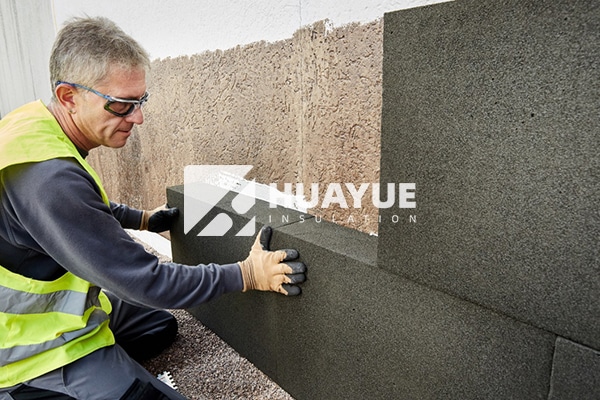
Advantages in Industrial Settings
- Thermal Efficiency: Reduces heat loss, saving energy.
- Durability: Resists chemicals and physical wear.
- Safety: Non-flammable, minimising fire risks.
Industries benefit from cellular glass's robust nature. It withstands high pressures and temperatures, making it ideal for chemical plants, refineries, and power stations. Its stability ensures long-term performance without degradation.
What is cellular glass insulation?
The term "cellular glass" might confuse some. What exactly is it? Let's define its core attributes and uses.
Cellular glass insulation is a lightweight, rigid material offering high thermal resistance. Foam glass insulation msds describes its composition of glass cells, ensuring excellent moisture barrier properties.
Understanding cellular glass:
- Structure: Consists of closed glass cells.
- Properties: Impervious to water, vapor, and pests.
- Uses: Effective in thermal insulation for buildings and pipes.
Cellular glass's unique structure prevents moisture ingress and thermal bridging. It's a preferred choice in environments requiring high-performance insulation. Its eco-friendly nature contributes to sustainable construction practices.
How is foam glass thermal insulation made from cellular glass?
Manufacturing foam glass involves precise processes. How is it made, and why is it effective?
Foam glass thermal insulation is crafted by melting recycled glass at 1,000°C, forming closed-cell structures. Foam glass insulation msds details its composition ensuring environmental safety and efficiency.
Manufacturing Process
- Material Preparation: Recycled glass is cleaned and crushed.
- Melting: Heated to form a molten mass.
- Foaming: Chemical additives create cellular structure.
The process ensures uniform cell formation, providing consistent insulation properties. Recycled materials contribute to sustainability. The end product is robust, offering excellent thermal and acoustic insulation.
Conclusion
Foam glass insulation msds is essential for safe and effective usage. It ensures compliance and mitigates risks. Understanding its details aids in informed decision-making.