
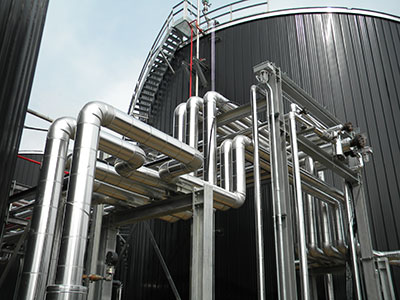
If you are frustrated by rising energy costs or tank maintenance problems, you might be searching for a long-term insulation solution.
Glass foam blocks deliver excellent thermal insulation, absolute moisture resistance, and strong compressive strength for industrial tanks, buildings, and pipelines.

When I look at a new insulation project, I always look for solutions that cover safety, energy efficiency, and cost. Glass foam blocks meet these needs. They are inorganic, they do not burn, and they do not absorb water. This keeps cryogenic tanks and chemical tanks dry and protected for years, which helps me sleep well at night.
China HUAYUE Foam Glass Block – High Performance Insulation?
Whether it is industrial tanks, building walls, or pipelines, foam glass blocks from China HUAYUE guarantee reliable performance for strict insulation requirements.
HUAYUE foam glass blocks stand out in rigorous environments. The closed-cell structure blocks water. There is no capillary action. This means insulation stays dry, so there is no corrosion, no freeze-thaw damage, and no long-term heat loss. Their fireproof nature also meets international safety standards, which makes them perfect for hazardous chemical storage.
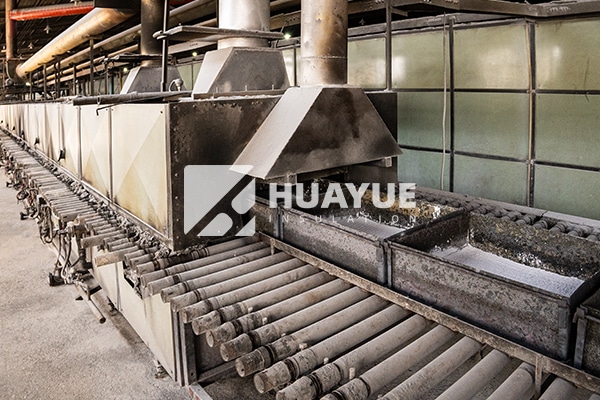
When I tested the performance of HUAYUE’s foam glass blocks, I compared them to other materials like mineral wool and polyurethane foam. Foam glass does not rot, shrink or degrade in tough conditions. It is non-combustible and non-absorbent, so there is zero risk of mold or hidden corrosion under insulation (CUI). For me, this is crucial in demanding jobs, especially in the chemical sector. Foam glass is also extremely tough — it can take heavy loads without deformation, making installation easier. The manufacturing process follows ISO quality certification, so reliability is consistent batch after batch. The sustainable aspect also appeals to me, since foam glass is made from recycled glass. Using it in projects fits into our company’s green goals, without sacrificing performance.
What is foam glass used for?
Foam glass acts as long-term, all-weather insulation for tanks, pipelines, roofs, and wall cavities, meeting strict safety and durability standards.
When I prepare specifications for insulation upgrades, foam glass blocks are often my first choice for cryogenic tanks, LNG pipelines, chemical storage, and process plants. The reason is simple: foam glass gives total protection from outside moisture, chemicals, and extreme temperatures. It holds up in outdoor, underground, and high-risk environments, combining insulation, fire safety, and water resistance into one product.
From experience, foam glass keeps liquid gases like LNG and LH2 stable, even during rapid temperature changes. It stops condensation inside tank jackets. When I walk through storage facilities, I see foam glass installed where leaks or corrosion are unacceptable. It sits under cold foundations, wraps around pipes, and fills wall cavities to stop energy loss. Even after years in service, it never squishes or dissolves. This gives me confidence during audits and makes maintenance predictable. The blocks’ lightweight structure also means shorter installation time and less strain on the building or tank.
What size is a FOAM GLASS block?
Standard foam glass blocks measure about 600 mm by 300 mm, with thickness ranging from 50 mm to 150 mm, depending on project needs.
Before I order foam glass insulation, I always check size specifications. Typical HUAYUE foam glass blocks are easy to handle. They fit into standard tank jackets, walls, and pipe insulation layers without a lot of cutting. The thickness is tailored to thermal resistance targets for each project. This flexibility is helpful when I need to insulate multi-layered system combinations.
On site, I use custom sizes when original tanks have unique geometries or when insulation must cover non-standard flanges, elbows, or foundations. HUAYUE supports these projects well, offering precise cutting and fast turnaround. Consistent dimensions mean clean installation, tight joins, and no gaps, so there are no bridges for water or heat to get through. Accurate sizing also means fewer errors, lower labor costs, and shorter downtime on job sites, which keeps plant upgrades on schedule and under budget.
Is foam glass waterproof?
Foam glass is 100% waterproof. Its dense closed-cell structure keeps out water, vapors, and most chemicals.
When I look for tank insulation, waterproofing is one of my main requirements. Foam glass blocks never absorb water, even under full immersion. There is no risk of swelling, warping, or losing thermal performance. This is why I use foam glass in roofs, underground tanks, and pipeline trenches.
Over the years, I have watched other materials fail due to water intrusion, especially mineral fiber, which can lose all its insulation value after one leak. Foam glass does not have this issue. Mold and mildew cannot form inside, so my maintenance crew sees fewer problems. Waterproof insulation means corrosion under insulation (CUI) is controlled, which directly extends tank life and cuts costs on repairs or replacements. This simple property makes foam glass ideal for outside storage tanks in wet, coastal regions where other materials struggle.
How is foamed glass made?
Foamed glass is made by heating recycled glass with a foaming agent, then rapidly cooling to create a rigid, closed-cell block.
I always ask suppliers about their manufacturing process. HUAYUE’s method starts with cleaned recycled glass. It is mixed with a fine powder (usually carbon or limestone) that releases gas when heated to about 1000°C. This gas expands the molten glass, making millions of tiny, sealed bubbles. Then, the mix is cooled and cut to block size. The result is a tough, lightweight insulation material that lasts decades.
I appreciate the environmental benefits of this process. Using recycled glass not only keeps waste out of landfills but also reduces energy in manufacturing. Since foam glass has no organic binders, it does not produce toxic fumes if burned, and it can be recycled after use. Quality control at HUAYUE is strict, with every batch tested for structure, density, and thermal performance. Knowing how foam glass is made helps me justify its cost to managers. It offers both top-grade technical performance and green credentials.
Conclusion
Glass foam blocks deliver long-term insulation, fire safety, and waterproofing for demanding industrial and building projects. They are reliable, sustainable, and cost-effective.