
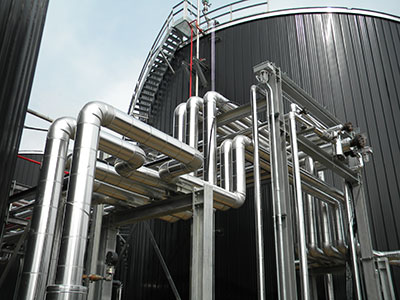
Foam glass roof insulation solves multiple headaches: poor energy performance, high long-term costs, and risk of water leakage—all common pain points for commercial property owners.
Foam glass insulation for commercial roofs provides excellent thermal performance, fire safety, zero water absorption, and long-lasting protection against corrosion and moisture—making it a top choice for demanding environments.
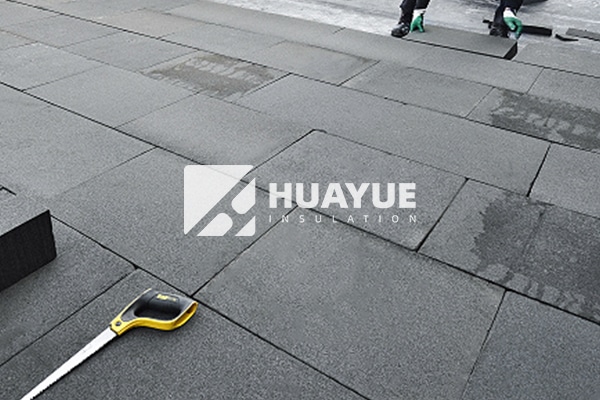
Many commercial building managers, including myself, often face tough decisions balancing cost, durability, and building regulations in roof insulation upgrades. Let me share why I keep coming back to foam glass. It offers a unique combination of reliable performance and ease of installation. Commercial construction demands insulation that works hard in harsh conditions, and foam glass boards consistently deliver results. This article explores why foam glass is so effective for commercial roofing—and what to watch out for.
Benefits of Cellular Glass for Commercial Building Roofs?
When insulation fails, buildings suffer from heat loss, condensation damage, and costly repair cycles. Foam cellular glass solves those problems by resisting water, fire, and physical stress.
Cellular glass roof boards excel in commercial buildings due to their closed-cell structure. They do not absorb water, maintaining insulation performance throughout their lifespan and preventing moisture-related roof damage[4].
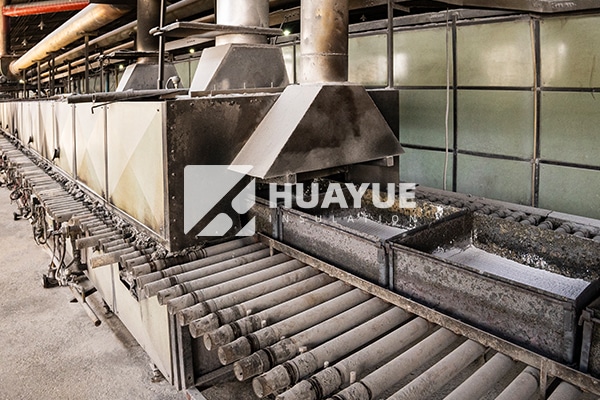
Foam glass insulation stands out because it does not degrade over time. Buildings face extreme weather, temperature swings, and constant exposure to rain and snow. Most insulation materials can absorb water, reducing their thermal value and shortening their useful life. Foam glass’s closed-cell, non-absorbent structure completely blocks moisture intrusion. Even after decades, it keeps its insulating value and structural integrity[4]. It is also fully inorganic, which means it does not support mold growth or pest infestation, solving two major issues in roof insulation. In fire safety, foam glass’s pure glass composition is non-flammable, giving it a major edge in meeting strict building codes for commercial spaces[5]. I have seen property managers relax knowing that their roof insulation remains stable year after year—no water absorption, no harmful chemicals, and minimal maintenance. For large properties and critical facilities, this peace of mind alone can make foam glass the best investment.
What Are the Drawbacks of Cellular Glass Boards?
Even a high-quality solution has potential trade-offs. Some drawbacks of foam glass boards include upfront cost and fragility.
Foam glass boards can cost more than conventional insulation materials. They must also be handled carefully during installation and transport due to their brittleness[5].
Foam cellular glass’s closed-cell structure brings many benefits, but it also creates certain limitations. First, the manufacturing process and high-performance properties mean foam glass boards may be priced higher upfront than standard options like mineral wool or expanded polystyrene. For clients watching budgets, this can be a sticking point, but I always stress that lower maintenance and longer life offset the initial investment. Another drawback is fragility. Foam glass is rigid and lightweight, but it can break if handled roughly during shipping or installation[5]. Roofing contractors need to train crews to handle and cut foam glass boards carefully, using saws and supporting edges to reduce breakage. This is not a deal-breaker, but it does require planning for proper logistics, storage, and gentle installation. In my projects, working with experienced manufacturers and installers minimizes these risks. To put it simply: foam glass boards demand respect during transport and installation, but reward owners with lasting performance.
Understanding Your Commercial Roofing Insulation Options?
Roofing insulation choices can be confusing. Owners must balance thermal performance, cost, fire safety, and long-term reliability in their decision.
Foam glass offers unmatched moisture resistance and fire protection. Other commercial roofing insulation options include mineral wool, glass wool, and rigid foam boards, each with unique benefits.
I always compare foam glass to other popular insulation types used in commercial roofing. Mineral wool and glass wool are well known for thermal efficiency and fire safety. Rigid plastic boards, such as PIR and EPS, deliver good insulation but can be vulnerable to water ingress and fire risk. Foam glass, in contrast, has zero water absorption and does not degrade when exposed to the elements. It handles freeze-thaw cycles, heavy rooftop traffic, and all temperature swings without distortion or cracking. Commercial roofs often face leaks, ponding water, or equipment loads. Foam glass prevents corrosion under insulation (CUI), a common failure point with metal roof decks. For my clients and projects, switching to foam glass means no more water worries and improved compliance with fire regulations. While initial material cost may be higher, the reduction in maintenance, water damage, and replacement costs is significant. Discussing options with suppliers and installers ensures the chosen material meets performance targets and budget.
Cellular Glass Insulation Manufacturers
Finding a trustworthy supply partner for foam glass insulation is crucial for smooth project delivery.
The most reliable manufacturers offer consistent quality, technical support, and fast shipping, with customization options for different commercial roofing needs[1][3].
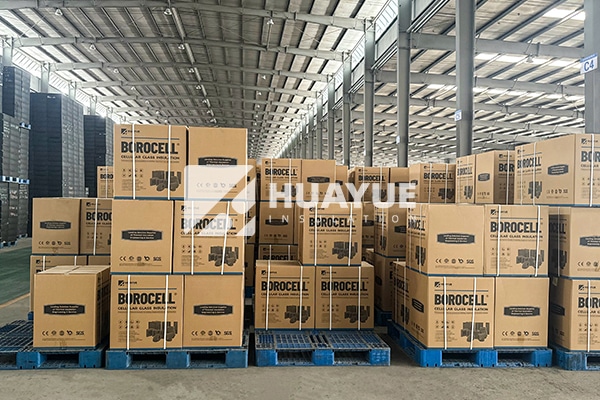
Choosing the right manufacturer begins with checking their experience and certifications. HUAYUE, for example, has more than 30 years of expertise in foam glass board production, supplying projects of all sizes[1][3]. They offer a comprehensive range: standard boards, pipes, fittings, and foam glass gravel. I always prefer dealing with factories like HUAYUE that maintain strict quality control, hold CE and SGS certifications, and deliver on schedule, even for customized shapes and packaging. Working with professionals helps tackle technical challenges, select the right product, and solve installation issues. After-sales support matters, especially for commercial projects requiring documentation, warranty, and compliance paperwork. Experienced manufacturers understand the needs of contractors and property owners, making them valuable partners for most commercial roofing jobs.
Conclusion
Foam glass insulation offers commercial roofs outstanding durability, zero water absorption, and fire safety, making it a top choice for long-term protection and value.