
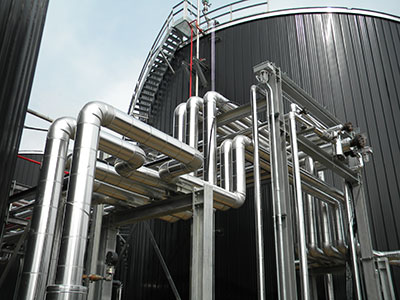
Foam glass insulation solves many tank maintenance problems by offering reliable thermal performance and durability.
Foam glass insulation boasts a low thermal conductivity, typically ranging from 0.038 to 0.050 W/m·K, making it highly effective at limiting heat transfer for industrial tanks.
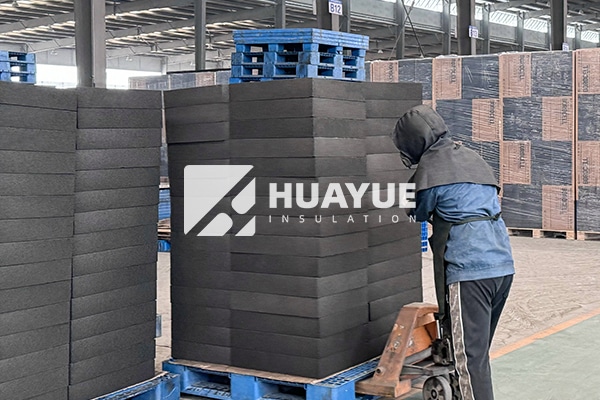
Industrial tank maintenance is often complex. Choosing the right insulation means more than comparing materials. Foam glass insulation can outlast most alternatives, keep heat transfer low, and stop most moisture problems before they start. Many engineers, including myself, have seen this firsthand.
Thermal Conductivity of Foam Glass—How Effective Is It?
Foam glass insulation prevents heat loss better than most materials, but how does its thermal conductivity compare?
Foam glass has a thermal conductivity of 0.038 to 0.050 W/m·K, making it a top choice for cold and hot tanks, chemical containment, and cryogenic applications.

If you work with chemical tanks, insulation matters. I’ve seen tanks fail because the wrong material lets in moisture or heat. Foam glass insulation stands out because of its unique composition. Closed glass cells trap air. Air is a poor conductor, so heat struggles to travel. This structure means foam glass resists heat transfer even under tough conditions.
Compared to other common industrial insulation materials, foam glass offers similar or even better thermal resistance. Glass wool tends to have lower thermal conductivity but is not ideal where water exposure is a concern. Rock wool is very effective as well, especially at higher temperatures, but does not provide the same long-term moisture resistance. Rubber foam is great for control over condensation but cannot handle severe environments. Foam glass insulation’s all-glass, closed-cell approach provides reliable defense against moisture, corrosion, and varying temperatures. For long-term tank maintenance, engineers like Hans choose foam glass because it has fewer failure points and delivers lasting thermal performance under a wide range of operating conditions.
What Is the Temperature Range for Foam Glass Insulation?
Does foam glass insulation work across extreme temperatures?
Foam glass insulation operates safely from -200°C to +430°C, making it suitable for both cryogenic tanks and high-temperature industrial applications.

Temperature control protects chemical tanks and process equipment. I’ve managed projects with wide temp swings, and insulation failures can be costly. Foam glass withstands both freezing and red-hot conditions. The material does not shrink, melt, or crack within its range. Because it is pure glass, it resists thermal shock, so tanks avoid damage during quick temperature jumps.
Looking at common insulation materials, foam glass stands apart due to this wide temperature range. Glass wool becomes less effective where very low or very high temperatures are present. Rock wool works for higher temperatures but is not as good for subzero duties. Rubber foam can handle some cold, but is limited above 100°C. Foam glass insulation safely bridges this gap, performing without breaking down no matter the temperature extremes. This stability gives peace of mind, knowing the insulation won’t need to be replaced after a cold snap or steam exposure. I always recommend considering foam glass for any tank or process line with wide temperature variations.
Is Foam Glass Insulation Fireproof?
Does foam glass insulation stop fire risks on tank sites?
Foam glass insulation is 100% fireproof. It does not burn, release toxic fumes, or degrade when exposed to open flames.

Plant engineers focus on fire risk management. Every material choice can be crucial. I remember finding hidden hazards in non-fireproof insulation. Foam glass changes the game. It is pure glass—so it cannot ignite, does not support combustion, and does not give off smoke or dangerous fumes. Even in an emergency, foam glass forms a protective shield around tanks. This keeps both equipment and staff safe.
In industrial settings where fire safety is a top concern, foam glass insulation meets and usually exceeds the most demanding regulatory standards. Building codes and insurance companies often require non-combustible materials in storage and processing areas. Many insulation failures have had catastrophic results, but with foam glass, I’ve seen tank farms maintain systems safely even after major incidents elsewhere. This makes foam glass a smart and dependable choice wherever fire risk cannot be tolerated.
How Does Foam Glass Compare for Hot and Cold Insulation?
Is foam glass insulation equally good for both cold and hot tank applications?
Foam glass works for both hot and cold applications because of its wide temperature tolerance, low thermal conductivity, and resistance to moisture and chemical attack.
Foam glass insulation keeps heat in—or out—depending on the need. Cold tanks see steady temps because foam glass blocks outside heat. Hot tanks keep their heat, losing little to the environment. Its closed-cell design stops moisture and even aggressive chemicals. I have recommended foam glass for tanks holding liquefied gases as well as for process equipment with steam.
For cold storage tanks, foam glass limits heat gain, prevents icing, and holds up to outdoor exposure. For hot tanks, it stops heat loss and keeps surfaces cool. Its closed-cell glass structure keeps chemicals and vapors from seeping in, which means less corrosion and fewer maintenance headaches. Compared to other insulation materials, foam glass needs less inspection and repair over time. After years in tank management, I’ve seen foam glass insulation consistently deliver both energy efficiency and protection in demanding hot and cold storage settings.
Conclusion
Foam glass insulation combines low thermal conductivity, wide temperature range, and full fireproofing—making it ideal for lasting tank protection.