
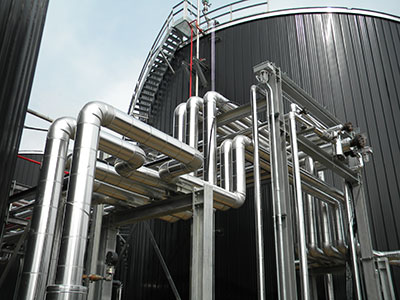
If you need a tank insulation material that works from cryogenic cold to blazing heat, the right choice matters. Foam glass insulation stands out for its extreme temperature range.
Foam glass insulation operates reliably from -268°C to +482°C. This wide range ensures safe, efficient performance for both cryogenic tanks and high-temperature chemical storage. It does not lose its insulation properties even in extreme conditions.
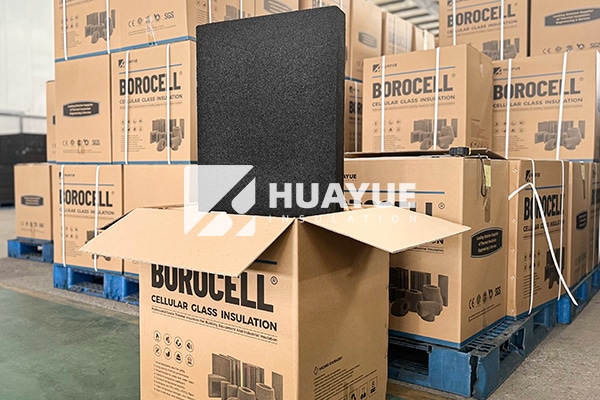
You might think all insulation materials do the same job, but their temperature limits set them apart. If your tanks see both intense cold and high heat, only certain materials keep up. Let’s look deeper at foam glass—how it compares, what makes it unique, and why so many engineers choose it for demanding environments.
What is the operating temperature of glass insulation?
Find yourself needing insulation that can survive extremes? Glass insulation has become the top choice for chemical plants and cryogenic tanks.
The operating temperature range of glass insulation typically spans from -268°C to +482°C. This vast working range covers both cryogenic and high-heat applications, providing reliable protection in changing conditions.
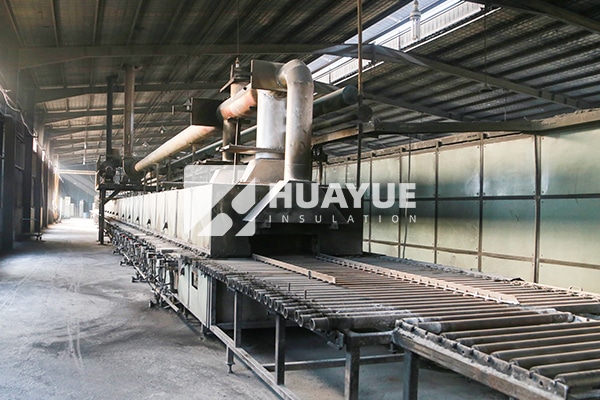
I have worked with various types of insulation over the years. Many fail under demanding cold, others cannot withstand heat. Foam glass insulation stays stable and effective. It performs equally well at both ends, which sets it apart from competitors. Mechanical engineers like Hans Müller choose foam glass when a project requires reliability over time. Glass insulation does not shrink, expand, or degrade within its temperature range. Unlike organic insulators, foam glass does not burn, warp, or soak up moisture, even after years of service.
When I compare the key insulation materials, I notice that foam glass has the widest temperature range, stays fireproof, and does not absorb water. For example, glass wool works in more moderate ranges and soaks up some water. Rock wool can handle higher heat but still absorbs water, and rubber foam does not perform well under high heat. When tanks have to hold volatile chemicals or must stay cold, foam glass does the best job. This is why chemical engineers often choose it for tank and pipe insulation.
What is the melting point of foam glass?
Wondering if foam glass could ever melt in high heat? Safety is a top concern for any engineering project.
Foam glass has a melting point around 1000°C to 1200°C. For most industrial applications, this means foam glass will never reach melting conditions during regular operation, making it a very safe material.
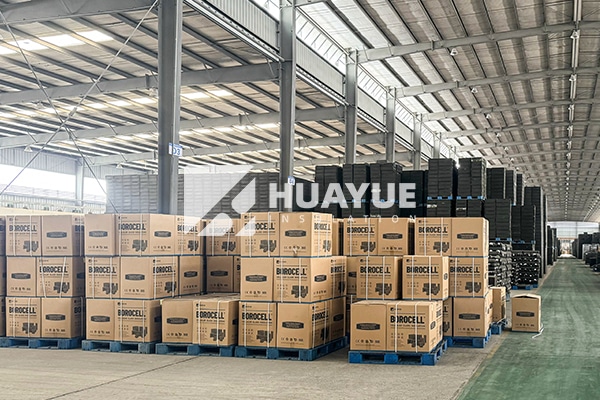
When I design tank insulation for chemical plants, melting points take priority. I need to know that insulation will stay solid, even if there’s fire or abnormal temperature spikes. Foam glass starts to soften above 900°C, but it holds shape and properties up to much higher temperatures than tanks ever reach. Its fire resistance gives peace of mind to plant engineers who want protection from unforeseen hazards.
If I look at other insulating materials, I see that foam glass melts only at very high heat, while products like glass wool or rubber foam cannot stand up to such temperatures. Glass wool melts at a lower temperature, and rubber foam becomes soft and useless much quicker. In other words, foam glass outperforms these options for anything that might see a fire or a dangerous heat source. That is why plant engineers want it for mission-critical tanks.
Is foam glass insulation fireproof?
If fire risk is a worry at your plant, foam glass gives top protection. Many insulation types burn or deform when flames hit.
Foam glass insulation is entirely fireproof. It does not burn, spread fire, or release toxic gases, making it ideal for facilities demanding top fire safety.
Fire resistance is more than a technical feature—it is mission-critical for chemical storage and process tanks. I chose foam glass for cryogenic tanks because it provides dependable protection even during electrical faults or outside fire exposure. By staying intact under extreme heat, foam glass limits damage and stops hazardous leaks. Engineers know that switching to foam glass helps meet strict safety codes. Foam glass also protects insulation from mechanical stress because, unlike organic insulators, it does not soften, shrink, or emit fumes.
All of the most important international safety standards recognize foam glass as fireproof, including ISO, CE, and SGS systems. When I install insulation, fireproofing is more than a nice-to-have; it is a requirement for safety and insurance. Foam glass is always my first pick for hazardous zones.
Can foam glass insulation get wet?
If moisture or leaks are a problem, the wrong insulation can fail quickly. Water undermines performance and security.
Foam glass does not absorb water at all. Its closed-cell structure blocks liquids and vapors, so insulation stays dry and effective, even in damp or submerged conditions.
During maintenance at cold storage sites, I saw other insulations trap water, leading to corrosion and efficiency loss. Foam glass’s zero water absorption solves this issue. I recommend it for places where tanks sweat, pipes leak, or insulation faces weather. The material’s structure is dense and impermeable, which means no risk of hidden damage. Hans and others rely on foam glass to prevent corrosion under insulation (CUI), perhaps the biggest worry for tank longevity.
When I compare it to glass wool, rock wool, and rubber foam, the difference is clear. Only foam glass completely stops water from getting in. This keeps tanks in better shape over their lifetime, saves on repairs, and eliminates concerns about trapped moisture. If safety and durability matter, foam glass is the answer.
Conclusion
Foam glass insulation serves safely in temperatures from -268°C to +482°C, does not absorb water, fails to burn, and gives unmatched durability in engineered tanks.