
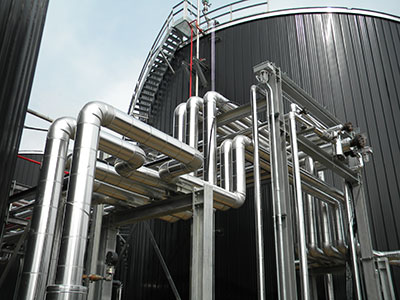
Problems with tank insulation keep popping up, especially when you think about durability and performance. Everyone wants something that lasts, saves energy, and doesn’t fail at the worst time.
Foam glass insulation has a density ranging from 120 to 165 kg/m³. This density provides the strength needed for industrial tanks, pipe systems, and other critical applications while maintaining core insulation properties.
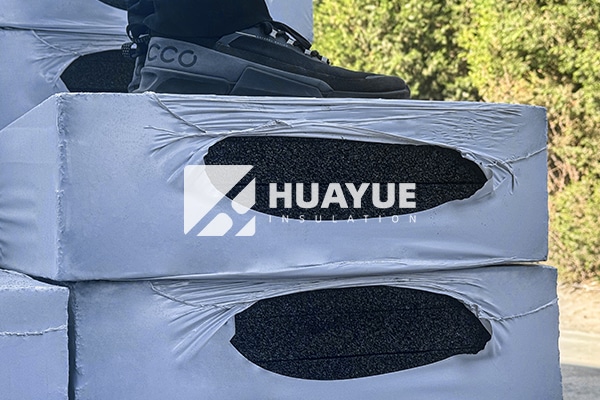
When it comes to choosing insulation for tanks, density is a major factor. Higher density means better load-bearing capacity and lower absorption rates. This affects not just safety but also the maintenance schedule and long-term cost. I have seen clients switch to higher-density foam glass mainly to avoid corrosion or product failure. Let’s look deeper at the most common questions about foam glass and its properties.
What is the density of foam glass?
Some insulation options can seem confusing when you get into technical specs like density. I’ve seen engineers struggle to find the right balance between high strength and thermal performance.
Foam glass insulation typically has a density between 120 and 165 kg/m³. This density supports high load-bearing requirements while providing excellent thermal resistance that industrial applications demand.
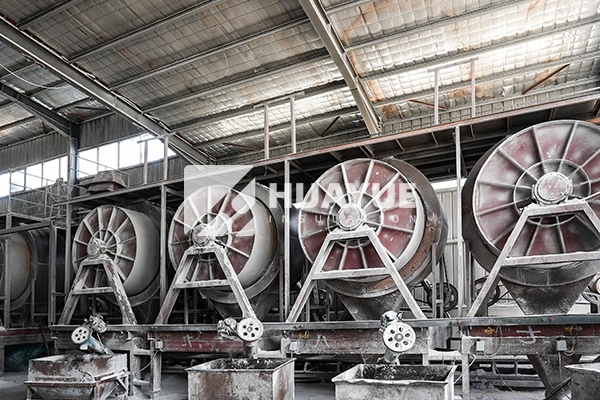
The density of foam glass matters because it affects both physical strength and insulation quality. For large tanks, pipes, and other structures, higher density means it can handle more weight and stress without compressing. Lower density options may end up failing sooner, with cracks or moisture absorption creeping in. Higher density foam glass resists water penetration, is non-combustible, and doesn’t degrade over time. If you compare with other insulators, foam glass keeps its stability year after year. For reference, foam glass is denser and stronger than both mineral wool and fiberglass. Mineral wool has moderate load strength. Fiberglass has low load strength and absorbs more water. Rubber foam sits in between for density, but does not keep out water as well as foam glass. Foam glass provides a much longer lifetime and reliability than these other common industrial materials.
I recommend engineers look at density first if their project requires strength and durability. Lower density means cheaper upfront cost but often leads to higher maintenance and replacement needs.
What is the R-value of foam glass pipe insulation?
The effectiveness of any insulation depends on how well it resists heat transfer. R-value is the measure everyone uses, but the numbers can be tricky to interpret.
The R-value of foam glass pipe insulation is typically between 3.4 and 3.8 per inch of thickness. This puts it on par with glass wool and higher than many other insulation types for pipes.
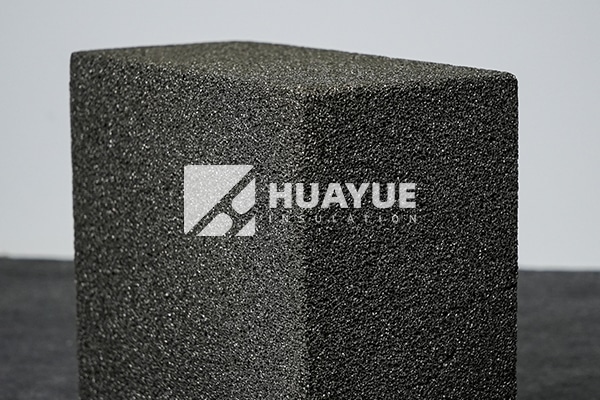
Foam glass offers consistent thermal resistance across a range of temperatures, which is why it’s popular for cryogenic and chemical tanks. If you compare R-values directly, foam glass does not outperform aerogel or polyurethane, but it delivers much higher structural strength and does not absorb moisture, so it keeps its stated R-value throughout its life. If R-value drops because of water absorption or material breakdown, real-world performance suffers—a common issue with fiber products.
For pipe systems, insulation needs to combine thermal performance with the ability to hold up under vibration and mechanical stress. I have seen maintenance costs drop sharply when plant engineers opt for foam glass pipe instead of cheaper alternatives. The longer each inch holds its R-value, the more you save on energy and avoid frequent repairs. Foam glass keeps its thermal resistance regardless of age, while fiberglass’s performance decreases if it gets wet. Mineral wool holds up better than fiberglass, but not as well as foam glass. Rubber foam stays fairly consistent but lacks the full fire protection and mechanical strength that foam glass provides.
Consistency makes the difference. That’s why I recommend foam glass for critical pipe runs where avoiding CUI and keeping thermal efficiency is most important.
Foam Glass and Its Applications. What is Foam Glass Insulation Used For?
With so many insulation products available, figuring out where foam glass fits can sometimes be a challenge. I often get asked if it is only for tanks, or if it suits other industry work.
Foam glass insulation is used for cryogenic tanks, chemical storage, pipework, flat roofs, underground steam and chilled water applications, and wall insulation. Its properties make it ideal wherever moisture, heat, and chemical safety matter.
Foam glass is unique in the way it serves multiple industrial markets. Cryogenic tank managers rely on its stable properties at extremely low temperatures. Chemical plant engineers choose it to control chemical exposure and fire risk, since foam glass is non-combustible and totally inert. For underground applications, foam glass resists soil pressure and water. Unlike many other materials, it does not rot or become brittle.
For example, in cryogenic tanks, foam glass is chosen because it does not absorb water. This means no water can freeze inside the material and break it. In chemical tank storage, the non-combustible and inert nature stops fire from spreading and blocks chemical vapors from degrading the insulation. Pipe insulation benefits from the rigid shape—it holds firm and does not sag even after years of vibration. Flat roofs use lightweight foam glass because it does not add much extra load, yet it delivers decades-long protection against temperature changes. In underground utility tunnels or trenches, the waterproof design stops moisture from migrating inward, making it ideal for these challenging spots.
I have seen plant engineers save long-term costs by picking foam glass early for expansive cooling or chemical projects. It stands up to frequent cleaning, regular inspections, and heavy use.
Is Foam Glass a Good Insulator?
Some engineers are skeptical about “new” insulation materials. They ask for proof before they try something different, especially when budgets are tight.
Foam glass is an excellent insulator thanks to its closed-cell structure, non-absorption, and thermal stability. It matches or exceeds the insulation quality of glass wool and mineral wool in most industrial uses.
Foam glass works by trapping air inside tiny sealed glass cells, blocking heat transfer. This structure stays intact over decades and resists changes in humidity or temperature. Where conventional fiber insulation often loses efficiency due to settling or soaking up water, foam glass keeps heat out, moisture out, and stays rigid. It does not burn, so plants get extra safety in fire-prone work. It resists most chemicals. When a facility must meet new regulations, foam glass gives a safety edge.
Compared to other options, foam glass has a thermal conductivity between 0.035 and 0.045 W/mK, while glass wool and mineral wool have similar or slightly higher thermal conductivity. Foam glass will not absorb water at all, whereas glass wool can soak up water and lose effectiveness. Foam glass has better fire resistance, standing up to flames better than either mineral or glass wool. Mechanically, foam glass is stronger and holds its shape even under load. And with a service life over thirty years, it often lasts longer than many other products in tough environments.
I’ve seen old tanks insulated with foam glass performing unchanged after thirty years. That’s rare among most insulation systems.
Conclusion
Foam glass insulation excels with density, thermal resistance, and durability. It works for critical tanks and pipes, keeps out water, and lasts for decades.