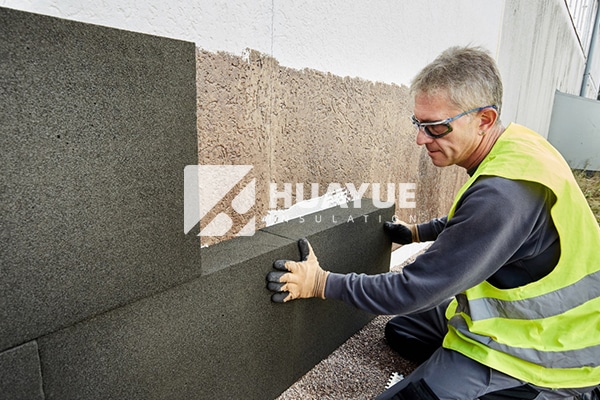
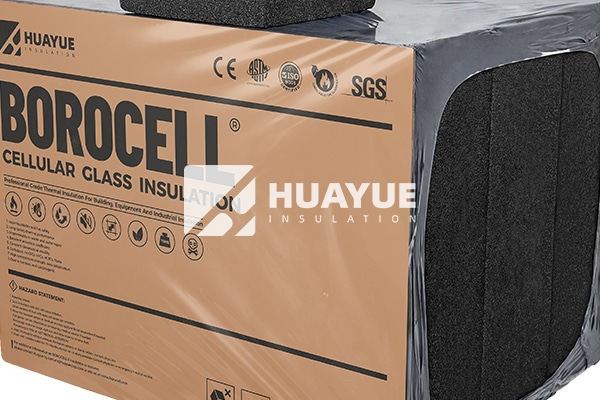
As someone who has spent years working in the insulation industry, I've encountered countless materials designed to improve energy efficiency in buildings. However, few have impressed me as much as cellular glass insulation. This unique material offers a combination of properties that make it stand out from traditional insulation options.
Cellular glass insulation, often called foam glass or expanded glass, is a versatile thermal insulation material manufactured from recycled glass and other raw materials. Throughout my career, I've specified this product for numerous projects ranging from commercial buildings to industrial facilities, and the results have consistently exceeded expectations.
What are the properties of cellular glass?
The properties of cellular glass make it a truly unique insulation material that I often recommend to clients with demanding thermal performance requirements. First and foremost, cellular glass offers outstanding thermal insulation capability with a thermal conductivity typically ranging from 0.036 to 0.050 W/(m·K).
One of the most impressive characteristics I've observed is its closed-cell structure. Unlike many insulation materials that allow air circulation and moisture penetration, cellular glass creates an impenetrable barrier against water vapor. This property is particularly valuable in applications where moisture control is critical.
The compressive strength of cellular glass is another property that sets it apart. With typical compressive strengths ranging from 400 to 1600 kPa, this material can withstand substantial loads without deformation.
From a durability perspective, cellular glass demonstrates remarkable resistance to aging, decay, and biological attack. I've inspected installations that were over thirty years old, and the material showed no signs of degradation.
What is the R-value of cellular glass insulation?
The R-value of cellular glass insulation typically ranges from R-3.6 to R-4.5 per inch, depending on the specific product and density. While this might not be the highest on the market, the stability of this R-value over time is what matters.
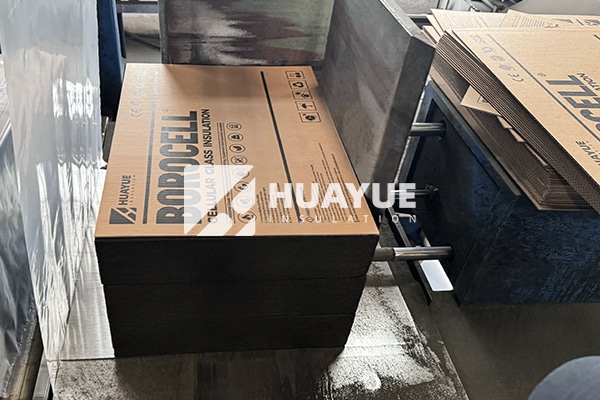
Unlike fibrous insulations that can settle or degrade, cellular glass maintains its thermal performance for decades. In my projects, I've found this to be highly reliable across various temperature ranges.
Is cellular glass insulation fireproof?
Cellular glass insulation is essentially non-combustible. Made from glass, it won't burn, melt, or contribute to fire spread. Most products have a fire rating of Class A, making them suitable for applications where fire resistance is critical.
Is FOAM GLASS the same as cellular glass?
Yes, foam glass and cellular glass are essentially the same material. Both terms refer to the same product—a closed-cell insulation material made from glass. The names are used interchangeably in the industry.