
Many people worry about waste and environmental impact when choosing building materials for their projects. Choosing recycled foam glass can help address these concerns directly.
Foam glass is recyclable. Manufacturers can reuse waste glass to produce foam glass insulation, making it a circular and sustainable choice for construction.
Recycled foam glass is gaining popularity as industries look for greener solutions. If you want to save energy, reduce costs, and meet sustainability goals, this material stands out. I discovered its performance and environmental benefits firsthand during my years in construction and insulation projects.
Is foam glass recyclable?
People sometimes believe foam glass cannot be recycled, which causes them to hesitate before selecting it for projects.
Foam glass is indeed recyclable because it is produced by melting waste glass and expanding it with a foaming agent. After its useful life, it can be processed and reused.
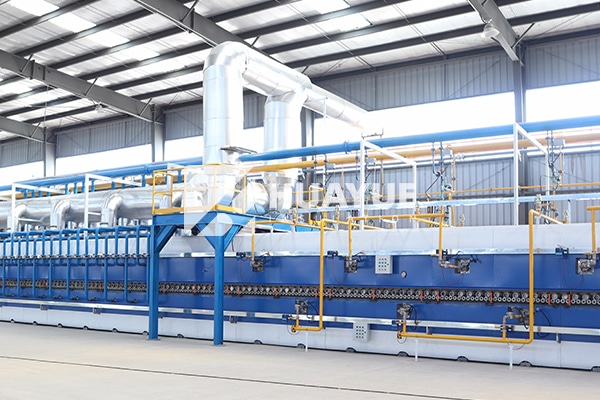
Recyclability is one of the biggest advantages of foam glass. Most foam glass insulation is created from used glass bottles, windows, and other waste glass. The factories take this glass, crush it, and blend it with a foaming agent, before heating it in a kiln. During heating, bubbles expand in the glass, making it full of tiny cells. This process gives foam glass its lightweight properties and strength. When foam glass comes to the end of its service life, it does not end up in a landfill. Instead, it can be crushed and fused with new waste glass to make more foam glass. This cycle can repeat many times.
Unlike most organic insulation materials that end up as waste, foam glass can be reused almost endlessly, and the recycled material remains consistent in quality. Over the years, I have chosen foam glass for projects with strict sustainability requirements, placing trust in its recycle-and-reuse ability to meet the highest green building standards.
What is foam glass?
Many confuse foam glass with regular glass or plastics. Some even believe it cannot offer proper insulation or strength.
Foam glass is a lightweight, cellular glass insulation material made by heating crushed glass with a foaming agent. It is fireproof, non-absorbent, and highly durable.

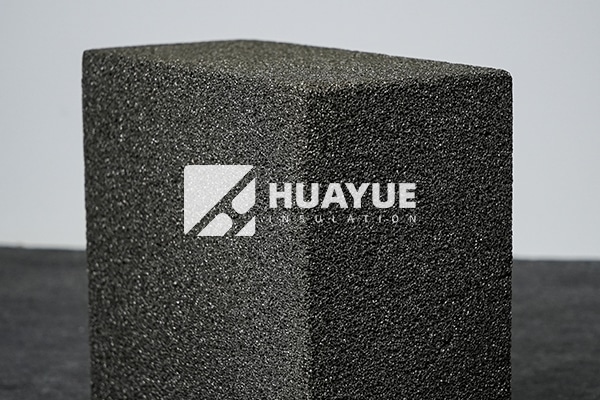
Foam glass is not like ordinary glass or plastic. It begins as crushed recycled glass, mixed with a small amount of foaming agent—often carbon or limestone. When this mix is heated, the agent reacts and creates millions of tiny bubbles in the glass. This gives the finished foam glass a closed-cell structure, making it light, strong, and full of air pockets for insulation.
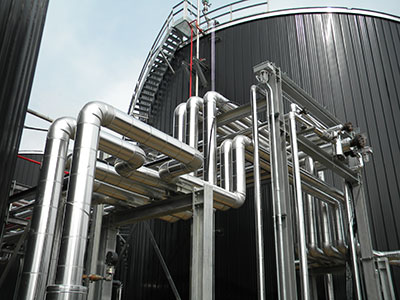
This design ensures foam glass cannot burn or soak up water. It stays solid and dry even in very damp or hot conditions. In my experience, foam glass performs best where moisture, fire, or harsh chemicals are present. It is often the first choice for insulating chemical storage tanks, pipelines, cold rooms, and areas that must stay safe from corrosion.
It is the combination of fire resistance, water resistance, and durability that makes foam glass stand out from other insulation options. Foam glass delivers years of stable protection and does not lose its properties, so plant teams and engineers find it a reliable choice.
What is the life expectancy of FOAM GLASS?
Some people expect insulation materials to degrade quickly, requiring replacement within years.
Foam glass has a long service life—often more than 50 years. It keeps its structure and properties in harsh industrial and building settings.
Foam glass is made to last. In harsh places like chemical plants, on tank surfaces, or buried in building walls, I have seen foam glass remain unchanged for decades. Unlike most other insulation types, it does not shrink, crumble, or change shape over time. Moisture, fire, mold, and insects do not hurt it, so foam glass continues to work well for the lifespan of the building or tank.
Most organic or plastic insulations start to lose strength, thickness, and performance in 20 or 30 years. Foam glass, by contrast, keeps its ability to insulate and protect long after that. The reason is simple: its glass cell structure does not break down. Even after half a century, the material’s appearance and function are almost the same as when it was first installed. This means fewer replacements and repairs, lower costs for plant owners, and less worry about sudden insulation failures.
When the project team wants to spend less on long-term maintenance and get the highest possible reliability, foam glass provides that peace of mind year after year.
Is recycled glass a good countertop?
Some believe recycled glass countertops may be weak or difficult to maintain compared to stone or quartz options.
Recycled glass countertops are durable, eco-friendly, and visually unique. They resist stains and scratches if cared for properly, making them ideal for kitchens and bathrooms.
I have used recycled glass countertops in both living and working spaces. These counters are formed by mixing small pieces of glass with a binder, then setting the mixture into a slab. The result is eye-catching—tiny glass fragments catch the light, and every piece looks different.
With normal cleaning, recycled glass countertops will keep their shine for years. Spills can be wiped away, and food usually does not stain the glass. Some glass countertops may need to be sealed against strong chemicals, but most users find them as easy to maintain as granite or quartz. Dropping a heavy pan can chip an exposed edge, though this is rare if handled with care.
Compared to traditional counters, recycled glass offers the best of both worlds: modern, colorful designs and strong eco-credentials. For those who want unique style, long life, and a sustainable choice, I have found recycled glass to be an excellent solution.
Conclusion
Foam glass stands out for recyclability, performance, and long service life. It is environmentally responsible and suitable for many construction and industrial applications.