
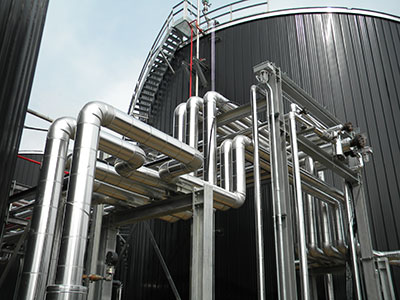
Operators at chemical plants know the importance of the right insulation thickness. If you don’t get it right, you risk energy loss, higher bills, and equipment problems.
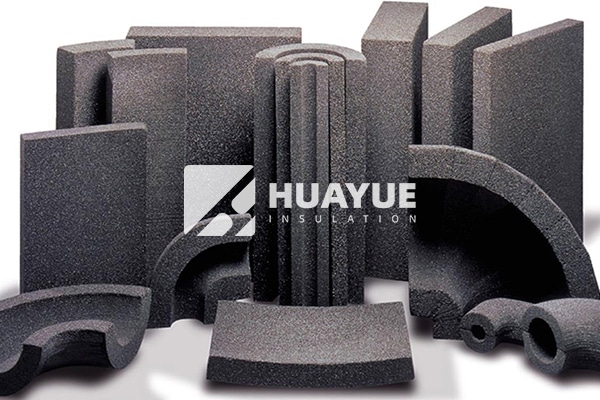
Foam glass insulation is usually supplied in board thicknesses from 30 mm to 150 mm. Pipe insulation is cut to fit the actual project, with inside diameter options made to order. This flexibility covers most tank and pipe insulation needs.
When considering foam glass, thickness has more impact than many realize. Choosing suitable insulation means better safety, thermal efficiency, and long-term reliability. As someone who has worked with these materials for large facilities, I know that the right thickness is not just a detail—it is a central part of the project’s performance and maintenance plan. Read on to see what matters when deciding on foam glass insulation thickness for tanks, pipes, and more.
How thick is FOAM GLASS insulation?
Project engineers often must decide if standard insulation thickness is enough, or if something custom is needed. The wrong thickness can lead to poor temperature control or wasted spending.
Foam glass insulation boards are most often made between 3 cm and 15 cm thick. This range covers typical needs for industrial projects, where materials must provide good heat retention and handle heavy use.
If projects involve tanks for chemicals or cryogenic liquids, the preferred thickness starts at around 5 cm and usually goes to 15 cm or even more. For example, I have seen European tank installations select foam glass thicknesses from 8 cm to 12 cm to keep heat in and lower energy loss. In plants where low temperatures are critical, like LNG systems, insulation can be even thicker to make sure no cold escapes.
The right thickness depends on local climate, tank or pipe contents, and how critical insulation is to the process. Safety is another key issue. For many top engineers, thickness is chosen to prevent corrosion under insulation and to meet safety codes. While thicker insulation raises up-front costs, it pays off with longer service life and less need for maintenance. Engineers like Hans Müller, who manage large tank facilities, often prefer thicker foam glass for its safety record and reliability.
What thickness does foam insulation come in?
Every plant or facility wants insulation that fits perfectly. If it does not, you risk losing heat or having failures later.
Foam glass insulation is available as boards from 3 cm to 15 cm thick. Pipe insulation is made for each project, with inside diameter crafted to match the exact pipes in use.
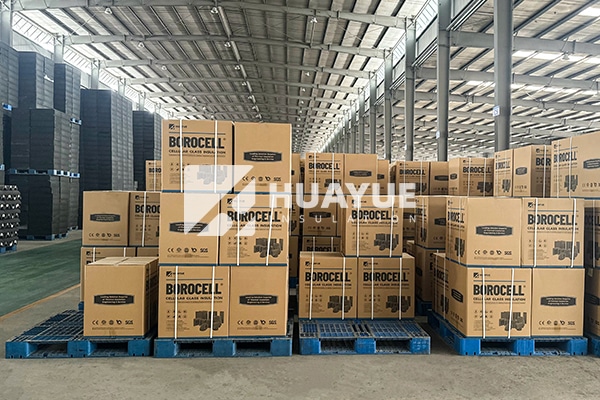
In my experience, most suppliers—including HUAYUE—offer a full range of standard sizes for board insulation. You can also get pipes and tanks wrapped in foam glass cut to your size. Chemical and cryogenic tank projects often pick thicker insulation to meet fire resistance and thermal ratings demanded by codes and regulations.
Most board products are offered in set thicknesses, such as 30 mm, 50 mm, 80 mm, 100 mm, and 150 mm. For pipe sections, the maker adjusts the inside diameter so the foam glass fits any pipe you use. Thicker foam glass gives better protection—not just for keeping heat in or out, but for standing up to fire and rough conditions. That is why many customers want more than the minimum, especially if the project faces strict audits or tough environments.
Installers and engineers should also consider which fire rating or thermal performance is needed for every thickness. More insulation can mean higher cost, but also ensures safety and best long-term results.
What is the standard thickness of foam glass insulation?
Choosing the standard thickness for foam glass insulation often means following plant rules and budget limitations. If you miss the mark, you might not pass safety checks or could be forced to redo the job.
For industrial tanks and piping, foam glass insulation is usually supplied in several standard thicknesses. These are most often 30 mm, 50 mm, 80 mm, 100 mm, or 150 mm. Custom thicknesses are always possible if the application calls for it.
Across projects I have worked on, most tank and pipeline jobs pick thicknesses of 50 mm or higher. Chemical plants often need 80 mm or 100 mm to meet industry standards and keep efficiency high. Cryogenic tanks, such as those for LNG, usually go with 100 mm or more.
Each site has its own requirements for climate, materials, and regulations. Local safety codes also play a role. When a job calls for special fire resistance or needs to keep temperatures very steady, project managers can order custom thicknesses. HUAYUE delivers both standard and tailored insulation products, letting engineers like Hans make the best choice for his plant’s long-term goals.
Conclusion
Selecting foam glass insulation thickness is critical. Standard and custom thicknesses each bring unique value. The right choice offers the most efficient, safest, and longest-lasting protection for tanks or pipes.