
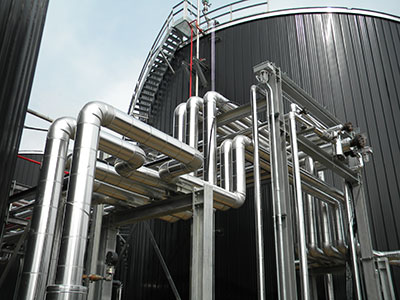
Water penetration causes costly damage and mold in insulation systems. Many buildings struggle to find materials that resist moisture over time.
Waterproof cellular glass insulation provides a complete barrier against water and vapor, keeping insulation dry and maintaining building performance for decades without risk of rot or corrosion.
Building envelopes experience rain, humidity, and leaks. I have consulted on jobs where insulation filled with water caused odor and structural decay. When cellular glass was chosen, moisture problems stopped. Now, let’s see how its waterproof features improve building durability.
Why is cellular glass considered the most waterproof insulation?
Most insulation products soak up water if exposed to rain or humidity. I have seen expanded foam and fibrous materials collapse from wetting. Cellular glass stands out because it is made from molten glass, expanded into a closed cell structure.
No open pores exist, so water and vapor cannot enter. This preserves insulation properties for decades.
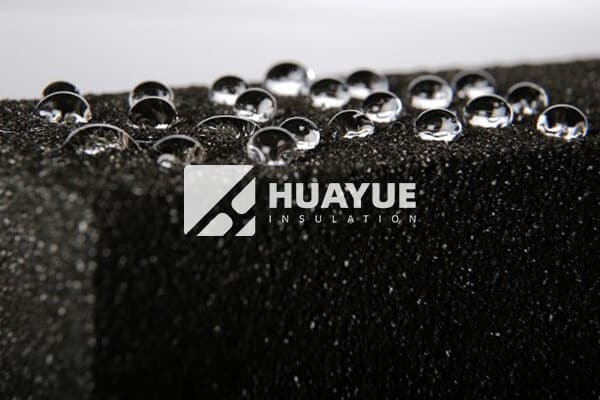
Cellular glass resists water even under full immersion or prolonged exposure. Unlike other materials, quality tests show it maintains shape and insulation. This completely blocks liquid water, steam, and vapor migration, keeping the building envelope dry.
How does waterproof foam glass protect building structures?
Moisture damages steel beams, wood frames, and concrete. I witnessed a warehouse with wet insulation lose its structural steel to corrosion in just three years. When cellular glass was installed, the metal remained dry and rust-free.
Foam glass forms a waterproof barrier between the building’s structure and external sources. This barrier blocks water, stops condensation, and prevents rust, mold, and decay.
Facilities see fewer maintenance calls and longer lifespans. The lack of water absorption keeps indoor air quality high and prevents allergen growth.
Where is waterproof cellular glass insulation used?
The best use cases include green roofs, below-grade walls, basements, foundations, wet rooms, and industrial tanks. I worked on a green roof that used foam glass instead of mineral wool, and the system stayed dry year-round.
The insulation’s waterproof nature makes it reliable in wet climates or buildings with high water exposure. Projects needing zero moisture risk, from hospitals to chemical plants, gain extra safety with cellular glass.
What is involved in installing waterproof cellular glass insulation?
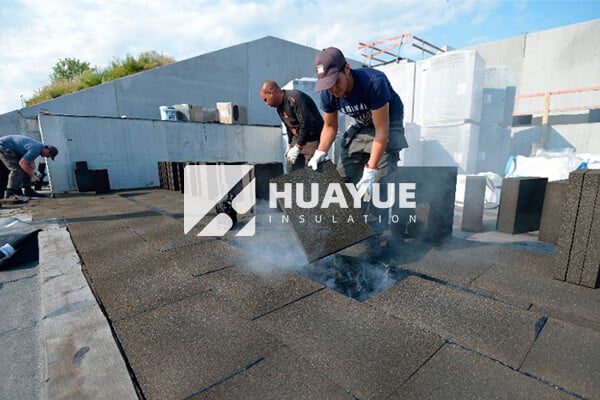
Installers lay foam glass boards tightly together, seal joints, and use adhesives to block gaps. I recommend extra waterproof coating for submerged or high-risk applications.
The process is simple: measure, cut, lay, then seal. No special water barriers needed. This direct install saves time and reduces errors, allowing fast project completion.
Conclusion
Waterproof cellular glass insulation blocks moisture and vapor, protecting building structures and keeping insulation dry, offering reliable performance in challenging environments.