
Selecting foam glass on a wholesale scale can be overwhelming. There are too many choices and not enough clear answers on quality, reliability, and cost.
Foam glass wholesale buyers should choose established manufacturers with proven track records, certified products, and efficient supply chains. Comparing product types, support services, and logistics is key to successful sourcing.
When I first entered the foam glass market, I felt lost in a sea of options. Some suppliers promised low prices, others emphasized strict quality control, but only a few could support long-term, large-scale customers. I discovered that what matters most is strong supplier performance, consistent delivery, and trust built over years. If you are responsible for critical projects like large tanks or infrastructure works, you understand well that material failure or unreliable suppliers quickly turn into operational headaches and cost overruns. Let’s look deeper at how to make the best choices and secure the advantages you need.
Foam Glass Manufacturers, Suppliers & Factory: How Do Leading Producers Stand Out?
Sourcing foam glass requires trust. Often a buyer is not sure which companies offer real quality and stable service. There are many manufacturers, but few show consistent results from start to finish.
Top foam glass manufacturers deliver quality that meets international standards and reliable communication during the ordering and shipping process. These companies have certifications that prove safety and compliance, like CE and ISO9001. They respond quickly, explain clearly, and know how to ship worldwide without delays.
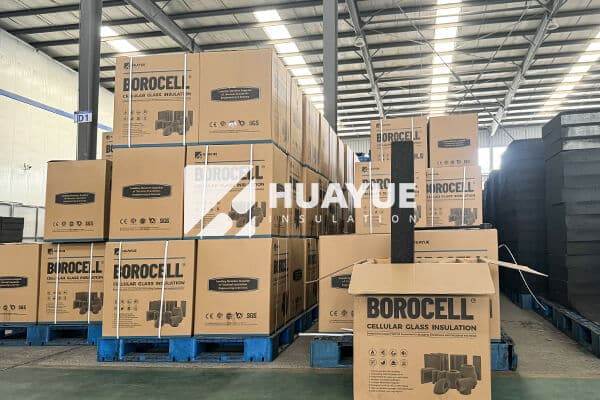
I have spent years working side by side with clients, watching how the right partnership makes all the difference to project outcomes. Reputation, years of experience, and ability to handle large orders quickly are just as critical as the material itself. At HUAYUE, we began as a small plant and grew up serving major global customers in over 100 countries. Our location close to North China’s largest ports gives us an edge in speed and logistics. When people ask about our certifications or visit our plant, they see firsthand the stability and consistency we build into every delivery. For demanding customers like Hans Müller—the chief engineer overseeing tank safety in Germany—knowing his product and supplier are both reliable provides important reassurance.
Foam Glass Types: Which One Fits Your Project Best?
Looking at all the foam glass products, many engineers and buyers feel lost. The material can take different forms, but which one fits each job?
There are four main types seen most often—blocks, boards, granules, and aggregates. Blocks and boards are solid and sturdy, usually picked for insulation on tanks, roofs, and walls where water resistance matters. Granules are loose and light, chosen when filling or draining spaces is most important. Aggregates are bigger and tougher, used in lightweight concrete or roadbeds, when strong but less heavy fill is needed.
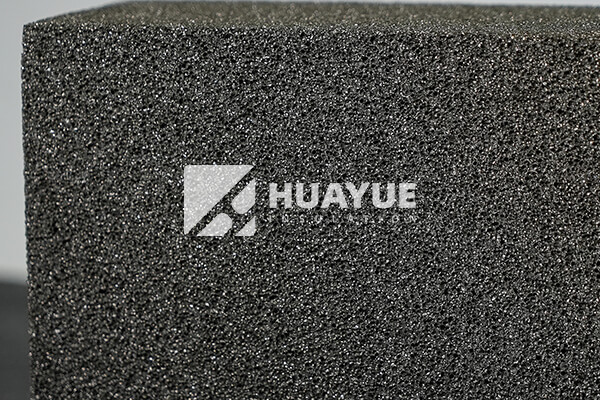
I worked side by side with project engineers, helping them decide which foam glass fits a task. For example, Hans is strict about water absorption, fire resistance, and long-term stability. On one job, he needed insulating blocks with zero water take-up, because even a little moisture can lead to corrosion and failure. Other times, light granules work better for under-rail foundations, thanks to frost resistance and draining ability. Projects need concrete answers, not just a one-size-fits-all solution picked from a catalog.
For tank insulation, pick dense solid blocks. For filling a large area, use granules or aggregate. For walls or roofs, thin boards give easy installation. Take time to match the product with the actual site needs before ordering.
Where to Buy Foamed Glass Aggregate: What Should Buyers Watch For?
Many companies try to buy foam glass aggregate but face unreliable stocks, unclear prices, or slow service. The buying process can trip up even experienced teams if they overlook important details.
For a safe and smooth purchase, always work with suppliers who show clear pricing up front, have big enough stock for your job, and answer technical questions fast. It also helps if the company has export experience, since customs and shipping rules change country to country.
I learned from my first big export orders that location really matters. HUAYUE sits in the Beijing-Tianjin-Hebei area, near one of China’s largest ports. That means trucks, trains, and ships are always ready, which keeps shipping times short and surprise costs low. My customers around the world, from Europe to South America to Southeast Asia, tell me that shipment delays cause stress when schedules are tight. So it is smart to pick a supplier well connected to logistics.
When you order, ask for product samples, test reports, and proof of certification. Make sure your supplier will answer technical questions even after delivering the order. For important jobs—like insulating a cryogenic tank—these steps help guarantee the material will perform and your investment is truly safe.
Conclusion
To get the best results with foam glass, work only with trusted manufacturers, pick the right product for your site, and choose responsive suppliers who support your success every step.