
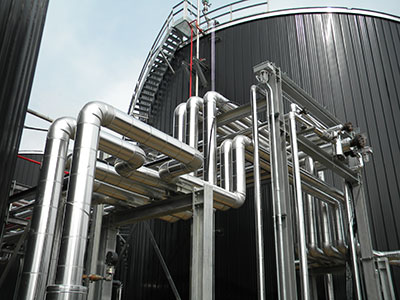
Many plant engineers struggle with choosing the right insulation material for tanks. The wrong choice leads to corrosion, high energy bills, and risk of accidents.
Foam glass insulation is known for its zero water absorption, high fire resistance, impressive compressive strength, and stable thermal performance. These properties make it ideal for industrial tanks and similar applications.

Finding the right material is hard. Many products promise reliability, but only foam glass delivers on long-term performance, low maintenance, and regulatory peace of mind. Let me share why these qualities matter to me and my team.
What are the properties of FOAM Glass insulation?
The wrong insulation can cause leaks, endanger staff, and invite expensive tank repairs. I need solutions I can trust to prevent these problems.
Foam glass insulation offers non-absorption, fire resistance, compressive strength, chemical durability, and thermal stability. It does not degrade over time in tough conditions.
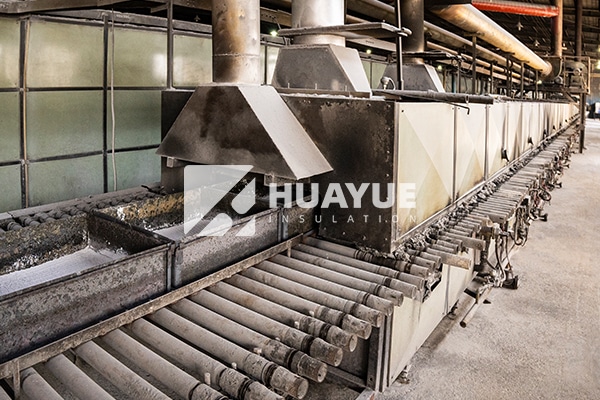
Foam glass is made by heating glass with a foaming agent, creating closed cells filled with air. This structure gives it the ability to resist water and chemicals, ensuring long-lasting protection for tank systems. In my experience, these properties also help avoid corrosion under insulation, which is a major headache in chemical plants. Foam glass does not burn and remains stable when exposed to flames, ensuring compliance with safety regulations. It handles heavy loads without crushing or cracking, which cuts down on how often systems need to be replaced.
The critical properties of foam glass include:
– Non-absorption: It never soaks up water, so insulation always stays dry and CUI is not an issue.
– Fire resistance: It will not burn, making plant operations much safer.
– High compressive strength: It bears the loads from heavy tanks with no problem, so it lasts longer and needs less maintenance.
– Chemical stability: Acids and alkalis do not affect it, making it a good fit for harsh chemical settings.
– Thermal stability: Its R-value and shape stay steady under temperature swings, so insulation keeps working as planned.
When I look to upgrade insulation, these traits are not optional—they’re key. I have watched them solve problems that would have cost much more if I had picked other materials.
What is the R-value of foam glass?
Energy bills rise if insulation loses effectiveness. I need insulation with a dependable R-value for demanding plant environments.
Foam glass typically has an R-value between 3.1 and 3.4 per inch of thickness. This ensures steady thermal protection for tanks and process lines.

The R-value is how well insulation stops heat from escaping. Foam glass delivers steady performance because of its closed cell structure. Unlike other materials, it shrugs off both water and chemicals, so its R-value stays the same long term. I see this as a big plus. Plant environments are tough, with big temperature changes, splashes, and the odd chemical leak. Other insulation weakens fast in these conditions, but foam glass holds up and keeps energy costs down. In my retrofitted tank farms, this has meant lower bills and fewer worries about insulation breakdown.
Let’s compare some common insulation R-values per inch:
– Foam glass: 3.1 to 3.4
– Mineral wool: 3.0 to 3.3
– Polyurethane foam: 6.0 to 7.0
While polyurethane has a higher R-value, it cannot match foam glass for water and fire resistance. For tanks, consistency and safety win every time.
Can FOAMGLAS get wet?
Water-damaged insulation causes rust, mold, and system failure. I have dealt with these costly problems before. Preventing moisture intrusion protects the entire tank system.
FOAMGLAS does not absorb water. Its closed cell structure blocks liquid and vapor, keeping insulation completely dry under all conditions.
Most insulation soaks up water if exposed. This leads to lost insulation value, corrosion, and expensive repairs. Foam glass is different. Because the cells inside are sealed, water—liquid or vapor—simply cannot get in. I installed foam glass on cryogenic tanks that operate well below freezing, and even after years, the insulation inside stayed completely dry. No wet spots. No rust. No decay.
If I compare materials in my head, I see:
– FOAMGLAS never absorbs water, so CUI risk stays low.
– Glass wool absorbs a lot of moisture and always seems to have CUI issues in my older tanks.
– Polyisocyanurate foam can get wet and lose some of its performance, especially where the joints are not sealed.
For retrofit work around tanks, I always go with FOAMGLAS. It has solved more moisture problems in my plants than any other material.
What are the properties of foam insulation?
Insulation material selection is challenging. Each type brings trade-offs in performance, cost, and durability. I aim to match insulation to specific project demands.
Foam insulation may offer closed cell construction, fire resistance, compressive strength, and varying R-values. FOAMGLAS stands out for its water resistance and permanency.
There are several foam insulation types in industry, but they’re not all the same. FOAMGLAS has the key benefit that it simply does not absorb water, resists fire, and shrugs off strong acids and solvents. This means I can expect insulation jobs to last, even when the environment is rough. Polyurethane foam can provide high R-values but comes with the risk of burning and may soak up water at cut joints. Phenolic foam resists fire better than most plastics but still can pick up moisture, which limits its use for exterior tanks or places where leaks happen often.
When I talk to procurement or safety teams, I always push for FOAMGLAS where I need reliability most. It hits all the most important marks for tank insulation:
– No moisture absorption
– Top grade fire resistance
– High compressive strength
– Doesn’t break down from chemicals
– Keeps the same R-value year after year
That steady, all-round performance is why it remains my top choice when reliability and safety are on the line.
Conclusion
Foam glass insulation stays dry, safe, and reliable—making it the first choice for industrial tank applications needing long life and top performance.