
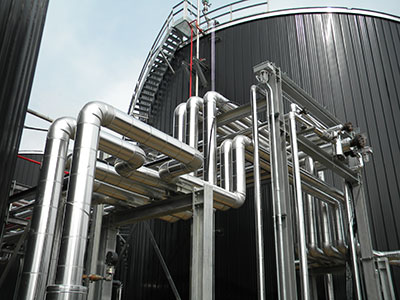
Fire in industrial tank settings can lead to dangerous and costly failures. Choosing the right insulation is critical for protecting lives, assets, and plant reputation.
Foam glass insulation is inherently non-combustible, does not emit toxic smoke when exposed to fire, and meets the highest international fire safety standards—making it a top fire protection choice for tanks.
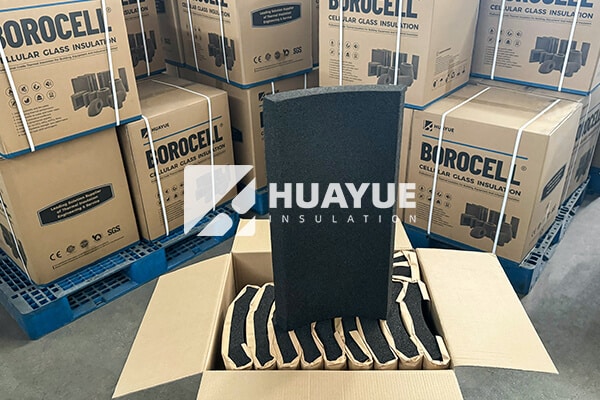
When I began managing insulation upgrades in critical tanks, I faced questions from my team and stakeholders about fire safety. Their concern was valid, because tank insulation that fails in a fire can make everything worse—inside and outside the tank. In this article, I will walk through why foam glass stands out for fire protection, what limitations exist, and how it compares to other materials in real applications.
Is foam glass insulation fireproof?
Plant managers worry that insulation may support fire spread or break down during an emergency. The stress comes from past experiences where materials failed due to heat, smoke, or collapse.
Foam glass insulation is classified as non-combustible under EN and ASTM standards. It can handle temperatures over 450 degrees Celsius. It does not burn. It does not give off smoke. It does not release harmful gases. That makes it fireproof in the way engineers need for tank protection.
Foam glass has a special structure. It is made by heating recycled glass until it expands into millions of closed cells. This insulation is basically solid glass with trapped air. Since glass itself is a non-combustible material and does not melt or give off any flames at normal fire temperatures, foam glass creates a strong, steady fire barrier. When a fire breaks out in an industrial area with foam glass insulation, the fire cannot penetrate the insulation. The inside of the tank stays cooler, and dangerous fire spread is limited. During tests and in real factory accidents, I have never seen foam glass catch fire or make toxic smoke. Some organic insulation materials turn to black smoke instantly when burned, but foam glass does not. This difference is critical for any tank holding chemicals or dangerous goods, especially when people need time to escape or for fire crews to respond.
Is foam glass insulation fire safe?
Tank engineers lose sleep over corrosion under insulation, reactivity in fires, and whether fire resistance lasts over decades of use.
Foam glass insulation is fire safe, offering reliable long-term performance without degrading, corroding, or losing its protection with age—it stays stable regardless of tank contents.
I have seen older insulation materials develop rust under the surface after years in use, especially in places where tanks sweat or small leaks go unnoticed. Some materials become weak when exposed to heat and then let fire hit the metal surface, which causes the tank to deform. Foam glass never absorbs water, so it prevents rust and corrosion for as long as it is in use. Even if acids or chemicals leak from the tank into the insulation, foam glass does not change or fall apart. I remember inspecting cold tanks where foam glass had worked for over twenty years and still looked as solid as the day it was put in. This is not true for most other insulation types, which can shrink, sag, or burn.
Foam glass stays strong through a fire, and after the fire ends, it keeps on providing the same protection. Unlike many products, it does not crumble or break with age or sudden temperature changes. I think this quality promises not just fire safety but peace of mind for plant operators who want to avoid repeated repairs. When fire and chemical safety rules keep getting stricter, using foam glass means not having to worry about upgrading every few years.
What are the disadvantages of foam glass?
Every insulation material has some problems. Cost, weight, and how easy it is to install are the most common issues people raise.
Foam glass insulation is heavier and sometimes more expensive than organic foam alternatives. That extra weight requires stronger support from tank walls or pipe brackets. Its rigid panels do not bend, so workers must cut each piece carefully during installation, which can take extra time or skill.
No product solves every challenge. From what I have seen in many tank projects, foam glass costs a little more than plastic-based insulation if you look only at materials and installation. But if you look over the tank’s whole life, the fewer repairs, fire safety, and dry, solid structure of foam glass make up for the higher start-up price. Installing foam glass takes planning, as it does not flex around odd shapes like some foams or wools. You need basic carpentry tools and a careful installer, or you risk small gaps at the joints.
Still, when companies care about long-term safety and the invisible costs of repairs and downtime, foam glass often wins the comparison. It does not rot, absorb water, or attract mold or insects. In my experience working with clients who want no trouble over decades, these benefits are worth the trouble of handling a heavier insulation panel.
What is FOAM GLAsS insulation used for?
Plant project leaders ask where foam glass works best and why it is chosen over other options.
Foam glass insulation is used in tanks, piping, and vessels where fire resistance, corrosion protection, and long-term reliability are critical—especially in chemical, petrochemical, and LNG facilities.
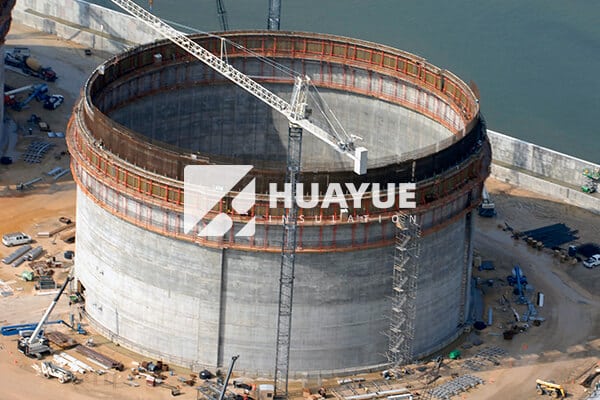
The first time I specified foam glass for new LNG tanks, I wanted to be sure about extreme cold and fire codes. It outperformed every other material we tested. Over the years, I found foam glass works in almost any tough application—cryogenic tanks, acid storage, underground pipes exposed to wet conditions, roofs, and tank bases where extra strength is needed. The closed cell glass structure gives almost zero water absorption, very slow heat transfer, and the highest fire safety promise.
When plants want to prevent corrosion under insulation and keep maintenance costs low, I recommend foam glass. In places where insulation is often damaged or re-exposed after inspections, it is good to have foam glass as a reliable layer. European and American plants have started choosing it more as the safety rules get stricter and as insurance companies reward better fireproofing.
In summary, foam glass insulation does best in extreme temperature tanks, pipes at risk of leaks, chemical tanks, or where fire safety is not just a feature, but a must.
Conclusion
Foam glass insulation delivers proven fire protection, reliable performance, and strong value for industrial tanks—even if it is heavier and costs more up front.