
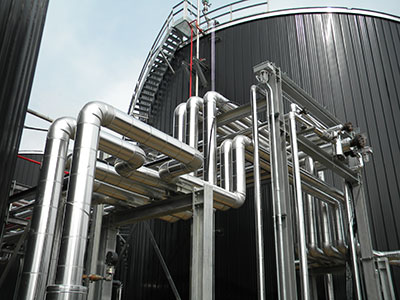
Foam glass looks simple, but its uses are both essential and far-reaching for many industries, especially when long-term performance matters most.
Foam glass is a lightweight, fire-resistant, and waterproof insulation material. Its main uses are in building insulation, industrial tanks, pipelines, and even cryogenic applications, thanks to its durability and non-absorption.

When engineers compare different insulation materials, foam glass often stands out because its properties are unique. At first glance, some choices look alike, but looking deeper shows real differences. I have seen how the right material can make a project easier to manage, safer, and last longer. Let’s see what makes foam glass special, answer common questions, and understand why experience matters when you choose a supplier.
What is foam glass used for?
Many people underestimate how important choosing the right insulation material is. The wrong choice leads to higher costs, fast wear, or even safety risks.
Foam glass is mainly used as thermal insulation for tanks, cryogenic systems, pipelines, and building roofs. It’s popular because it resists water, fire, and stays stable for decades.
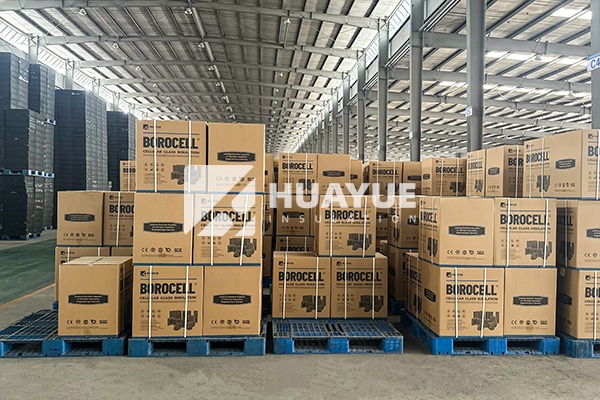
I often talk with plant engineers who worry about corrosion, long-term strength, and tough conditions. Foam glass solves many of these problems because its closed-cell structure keeps out water and chemicals. In industrial projects, people use foam glass for cryogenic tanks because it keeps heat out, for chemical storage because it does not corrode, for building roofs because it is light and strong, and for heated pipes because it does not burn.
I once visited a chemical plant where the wrong insulator caused huge repair costs every year. After switching to foam glass, the maintenance costs dropped and safety improved. The operators were happy that it would not rot, rust, or lose shape.
Is FOAM GLASS the same as cellular glass?
This question often bothers buyers who see both names in catalogs. I used to wonder if they meant different products.
Foam glass and cellular glass are the same material. Both describe insulation made from glass melted and expanded into a rigid, closed-cell foam.

When talking to suppliers overseas, I noticed the two terms are used in the same way. The important thing is the structure: both foam glass and cellular glass have tiny air-filled cells sealed by thin glass walls. This structure makes foam glass light, strong, and highly resistant to water and fire. Engineers should focus on meeting certified performance standards, not just the product name.
In my work with international teams, everyone agreed on its reliability, especially for tough jobs like LNG tanks and chemical plants.
Is foam glass waterproof?
A big worry for plant engineers is water getting inside, which ruins most insulation. I have seen old systems fail just because no one noticed a leak.
Foam glass is fully waterproof. Its closed-cell structure means water and vapor cannot pass through. That gives you long-term protection.
Because foam glass is non-absorbent, there’s no room for water to gather. Water cannot get in, unlike with mineral wool or polystyrene. This makes foam glass perfect for buried or submerged projects, rain-exposed roofs, and damp factory settings.
I have worked on teams that threw away extra vapor barriers after switching to foam glass. No more hidden rust. Tanks and pipes lasted longer and it was easier to meet safety codes.
Is foam glass flammable?
Fire risk makes everyone nervous for good reason. I have seen how one faulty material choice can put a whole project at risk.
Foam glass is not flammable. Even under direct flame, it will not burn or smoke. That makes it a preferred material for any place where fire safety cannot be compromised.
Foam glass keeps its shape and insulation abilities in a fire. It does not spread flames, melt, or produce dangerous smoke. In actual fire tests, foam glass will not ignite, and it does not need any extra fireproof coatings. That saves both cost and time, and meets rules and standards around the world.
For any project needing top-level fireproofing, foam glass gives peace of mind and a strong defense.
HUAYUE is a Chinese foam glass manufacturer with 30 years of manufacturing and export experience
When I look for reliable insulation materials, manufacturer experience matters. I always trust companies that control every detail, test each batch, and understand export needs.
HUAYUE, in China, has over 30 years making green insulation materials, including foam glass. Their factories use automatic lines and strict ISO standards, which help with bulk orders and steady quality.
Their factories are close to big shipping ports, so global delivery is fast and simple. HUAYUE supports custom orders and offers full support for planning and installation. This experience has helped projects I know avoid delays and customs headaches.
Buyers I work with, especially in Europe and North America, continue to choose HUAYUE because the quality is high and the price is fair. Their foam glass is trusted for important industrial projects where failure is not an option.
Conclusion
Foam glass stands out for durability, safety, and waterproofing. It is trusted for tank systems, cryogenic uses, and demanding industrial projects where every detail counts.