
Many people want to lower energy costs and protect infrastructure, but choosing the wrong insulation for roadways can lead to expensive repairs and heat loss.
Foam glass blocks offer stable, durable, and non-absorbent insulation for roadway projects. They stop heat loss, resist water damage, and help keep roads in top shape longer.
When I think about the huge investment that goes into major roads and bridges, I know no one wants to see that money wasted on preventable issues like frost heave or water damage. Many engineers use concrete and basic insulation, but they may not realize new advances like foam glass can cut down long-term costs. In this article, I’ll share what I’ve learned about foam glass blocks, their uses for roadways, and what to watch out for. Let’s get started.
What are the disadvantages of foam glass?
Though foam glass is praised for strength and water resistance, it does have drawbacks. Cost, brittleness, and installation skills can be challenging for some roadway projects.
Foam glass insulation blocks are more expensive than traditional options, require careful handling to avoid breakage, and need skilled labor for proper installation.
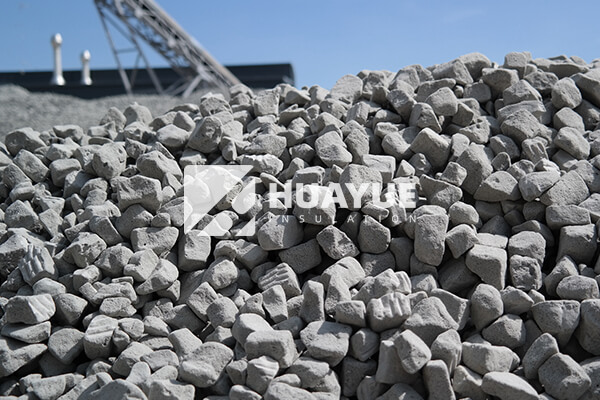
I remember the first time I worked on a project using foam glass. Before installation even started, the project manager pointed out the cost sheets. Foam glass wasn’t the cheapest. The price per cubic meter made the budget folks think twice. But I argued it could save money over time with less water damage and maintenance. Still, the material is brittle, so it breaks easily if dropped or mishandled on-site. I had to remind the team to be extra careful, especially when moving pallets across gravel.
Here are the main disadvantages, explained in a simple way:
– The initial cost is higher, so projects need more budget up front.
– Foam glass is brittle. It can break if you drop it or hit it too hard, so handling with care is a must.
– Proper installation takes skill. Not every crew is familiar with how to lay foam glass and avoid damage during the process.
– If you need insulation that bends or fits around curves, foam glass usually won’t work. It’s rigid and not flexible.
Even with these drawbacks, many engineers stick with foam glass for projects facing severe moisture or chemical exposure. So, when you weigh the upfront cost against the risk of water damage or road heave, foam glass often still comes out ahead for large, high-stakes projects.
Do foam glass blocks provide insulation?
Foam glass blocks offer excellent insulation by stopping both heat and moisture movement. They stand up to freezing conditions and heavy loads, making them perfect for roads and bridges.
Foam glass blocks act as a thermal barrier, helping maintain roadway integrity, prevent frost heave, and improve energy efficiency for surface and underground structures.
When I’m advising plant engineers or transportation departments on insulation solutions, I always mention foam glass when stability and long-term performance matter most. Foam glass is made from recycled glass, heated and expanded to form a rigid, closed-cell structure. This makes it totally water- and vapor-proof. When placed under roadways, it stops the ground beneath from freezing and swelling, which is a big cause of cracks and bumps in cold climates. I have seen new roads in northern Europe stay smooth for years thanks to this type of insulation.
Here’s how foam glass compares to other common insulation materials:
– Foam glass blocks are excellent at resisting water, have high strength, are non-combustible, and offer a high level of insulation (high R-value). They are a top choice for roadway insulation.
– Extruded polystyrene has moderate water resistance, is not as strong, does not perform well in fire, but still has a high R-value. It works for some roadways, but not in the toughest conditions.
– Expanded polystyrene (EPS) does not resist water well or provide much strength, and it performs poorly in fires. It insulates, but it’s better for lighter, less critical projects.
– Polyurethane foam also has poor water resistance and moderate strength. Like EPS, it’s not good in fire. The insulation value is high, but foam glass is usually safer and lasts longer.
Foam glass does its best job where the roadbed must be stable, dry, and last for decades. It’s now the go-to for airports, bridges, and high-load roadways in regions with tough freeze cycles.
What is FOAM GLAsS insulation used for?
Foam glass insulation blocks are used in civil engineering and industrial settings. They insulate roads, bridges, cryogenic tanks, pipelines, and chemical storage, thanks to their unique properties.
Foam glass insulation provides thermal and fire protection in demanding applications like roadway substructure, energy plants, tank bases, and pipelines that need long-term safety and durability.
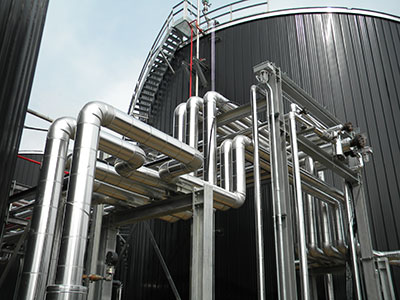
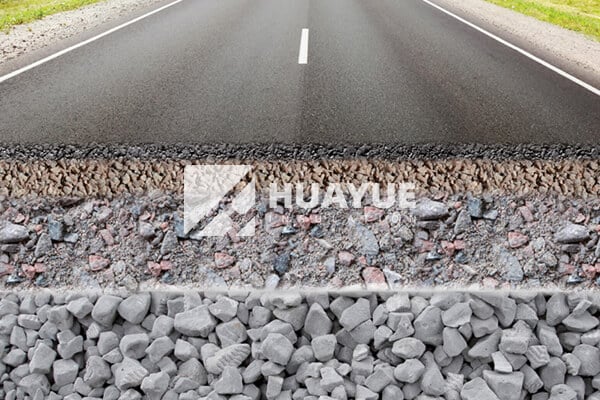
When I toured a chemical plant in Germany, their chief plant engineer showed me where they had used foam glass insulation—not just under roadways, but under massive storage tanks and around steam pipes. The reason is simple: foam glass cannot burn, doesn’t absorb water, and it will not rot or break down, even when soaked. Roadway engineers have picked up on this and now lay foam glass panels or blocks directly beneath asphalt to act as a stable thermal break. This stops frost from shifting the roadbed and blocks salt and chemicals from leaching into the ground.
Here are some places where foam glass insulation does an important job:
– Under roadways and in road substructures, it stops frost heave and forms a thermal barrier, which means roads last longer and stay smooth.
– On bridges, it prevents temperature swings and moisture from weakening the structure. This leads to safer bridges and fewer repairs.
– At the bases of LNG or chemical tanks, it cuts down on energy loss and helps keep chemicals or liquids at stable temperatures. It also resists corrosion from chemicals.
– Around pipelines, foam glass keeps the temperature steady inside the pipes and even provides a layer that stops rust or damage.
– On building roofs and walls, its fireproof nature and insulation keep buildings safer and more energy efficient.
Foam glass insulation serves multiple industries because it solves several common problems: heat loss, water damage, fire risk, and chemical attack. Each time I work with a new client, I tell them how using foam glass may cost a little more now, but it pays off for years through fewer repairs and longer service life.
Conclusion
Foam glass blocks give roads and infrastructure lasting value, strong insulation, and real protection from water and temperature damage, even if the upfront investment is higher.