
Problems in industrial tank insulation can cause expensive maintenance and safety issues. Choosing the right insulation material solves these problems and protects your investment for many years.
Cellular glass insulation material is a rigid foam insulation made from crushed glass and other additives. It offers high thermal resistance, excellent moisture resistance, and strong fire protection, making it ideal for demanding industrial applications.
Tank owners and plant engineers often worry about CUI, recurring repairs, and strict regulations. With the right insulation, these worries go away. When you want to improve safety and reliability without going over budget, the details matter. I have seen faulty material choices lead to corrosion, lost efficiency, and costly downtime. Let’s look at how cellular glass insulation stands out.
What is cellular glass insulation made of?
Hidden moisture, chemical vapor, and extreme temperatures threaten tank durability. Tank engineers need insulation that guards against all three for years.
Cellular glass insulation is made from crushed glass and a small amount of carbon or foaming agents. During production, the mixture is heated until it melts and forms a dense, closed-cell structure that blocks moisture and resists chemicals.
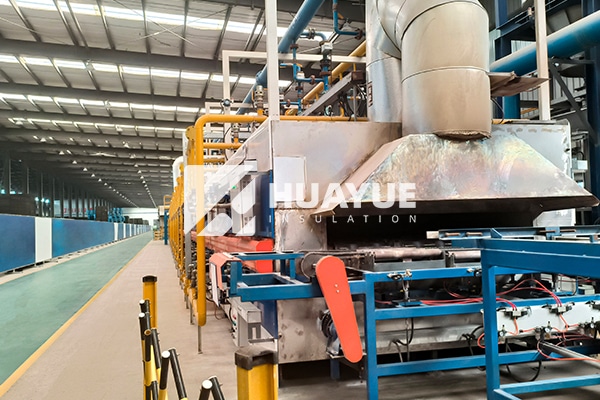
The production process for cellular glass insulation begins with selecting high-quality recycled glass. The glass is crushed and mixed with a foaming agent such as carbon or magnesium oxide. This mixture is placed in a mold and heated to approximately 900°C. The heat causes the foaming agent to release gas, forming bubbles in the melted glass. Once cooled, the resulting block is a hard, lightweight material filled with tiny, sealed cells. These cells give cellular glass its unique properties: it does not absorb water, does not support combustion, and does not degrade in harsh environments. I have watched the entire manufacturing line and seen firsthand how careful temperature control and quality checks ensure consistent performance in every batch.
| Material | Description | Purpose |
|---|---|---|
| Crushed Glass | Recycled glass particles | Main component, structure |
| Foaming Agent | Carbon/Magnesium oxide | Creates bubbles, closed-cell form |
| Additives | Minor elements | Enhance chemical durability |
Is cellular glass insulation expensive?
Budget limits often force compromise, but cutting corners on insulation costs more in the long run. Decision makers need to know if the premium price buys lasting cost savings.
Cellular glass insulation usually costs more upfront than other materials. However, this higher initial investment pays back over time through reduced maintenance, zero water damage concerns, and longer life cycles.
When I compare different insulation materials, I always look beyond the price tag. Fiberglass and mineral wool may appear cheaper at first, but moisture damage, frequent replacements, and labor costs add up quickly. Cellular glass never absorbs water. It stays strong, keeps its insulation value, and avoids corrosion issues over the decades. Maintenance budgets drop because the insulation does not degrade or break apart. Strict safety standards drive up costs for old materials, but cellular glass consistently meets or exceeds fire-proofing and environmental rules. For storage tanks, cryogenic vessels, and high-risk environments, cellular glass holds up with zero surprises. This is why more plant engineers recommend it for critical assets.
| Insulation Material | Initial Cost | Maintenance Cost | Service Life | Moisture Resistance | Fire Resistance |
|---|---|---|---|---|---|
| Cellular glass | High | Low | 40+ years | Excellent | Excellent |
| Fiberglass | Low | High | 15–20 years | Moderate | Good |
| Mineral Wool | Low | High | 20–25 years | Moderate | Good |
What are the materials used in cellular insulation?
Certain insulation materials break down under heat or chemicals, leaving tanks exposed. Knowing the exact make-up helps professionals choose wisely.
The main materials used in cellular insulation are recycled glass combined with foaming agents. These ingredients create a solid, closed-cell structure that delivers unmatched durability and chemical resistance.
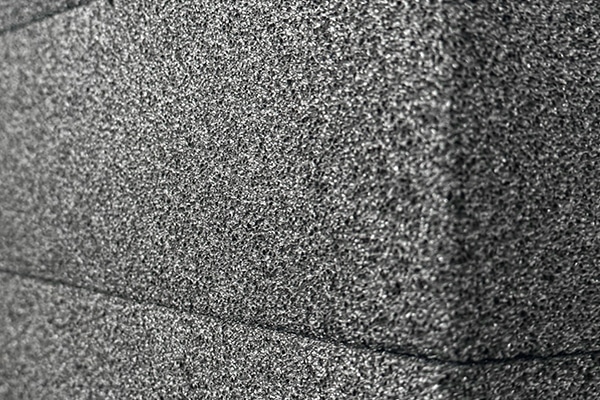
Cellular insulation stands apart because it relies on simple, high-quality ingredients. The manufacturing starts with crushed glass, which forms the backbone of the insulation. Foaming agents trigger the glass to form a honeycomb cell structure when heated, sealing each cell to lock out water and vapor. Some formulations use magnesium oxide or carbon in small amounts for added strength or chemical resistance. This mix gives cellular glass its legendary performance against moisture, acids, and extreme temperatures. No organic binders or fibers means it will not rot, corrode, or collapse under harsh conditions. I have met plant engineers who face many material failures; switching to cellular glass removed those challenges for good.
| Ingredient | Function | Benefit |
|---|---|---|
| Crushed Glass | Main structure | Thermal & chemical barrier |
| Foaming Agent | Bubble formation, closed cells | Moisture repellence |
| Minor Additives | Enhanced durability | Long-term reliability |
What is the R value of cellular glass insulation?
Energy loss from tanks costs money and can create safety risks. Tank engineers need insulation with proven R values that translate to real savings.
Cellular glass insulation typically has an R value between 3.0 and 4.0 per inch, giving high thermal resistance and steady performance in industrial applications.
The R value measures how well insulation resists heat flow. For industrial tanks, the higher the R value, the better the insulation holds temperature and cuts energy costs. Cellular glass keeps its R value even if exposed to moisture, unlike other materials whose effectiveness drops when wet. Thickness and application method affect the final R value, so plant engineers must match specifications to project needs. I worked with a customer who switched from mineral wool to cellular glass; energy bills went down, and tank reliability improved. This material’s performance remains stable in cold, hot, and chemically aggressive environments, so it keeps heat inside and prevents condensation outside, helping tanks last longer.
| Insulation Material | R Value (per inch) | Moisture Resistance | Long-term Stability |
|---|---|---|---|
| Cellular glass | 3.0–4.0 | Excellent | Excellent |
| Fiberglass | 2.5–3.5 | Moderate | Good |
| Mineral wool | 3.0–4.0 | Moderate | Good |
Conclusion
Cellular glass insulation gives unmatched durability, top fire resistance, and superior thermal performance, making it the smart choice for industrial tanks and critical infrastructure.