
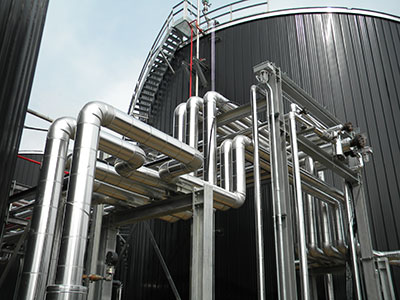
Keeping up with insulation options can be confusing and costly if you choose the wrong material for your tanks or facility.
Calcium silicate and foam glass both provide excellent insulation, but foam glass stands out for its non-absorption, high fire resistance, and long-term reliability, making it perfect for demanding industrial uses.
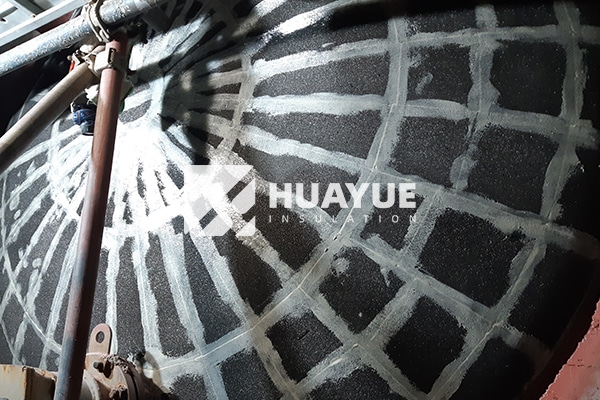
If you manage large tanks, picking the right insulation helps avoid corrosion, increases safety, and lowers maintenance costs over the years. I learned that choosing the wrong system means facing problems like water damage, higher energy bills, and frequent repair work. Foam glass excels because it does not absorb moisture and resists corrosion under insulation (CUI). Calcium silicate works well too, but it is more likely to crack and absorb some moisture. I have seen both used in chemical plants, and I have noticed foam glass systems usually need less intervention over time.
What are the disadvantages of calcium silicates and foam glass?
Problems with insulation materials can lead to expensive repairs, unexpected downtime, or even safety risks for your plant and team.
Calcium silicate is fragile and may absorb moisture, which encourages corrosion. Foam glass can be expensive and hard to cut on-site, which limits flexibility and increases installation time.
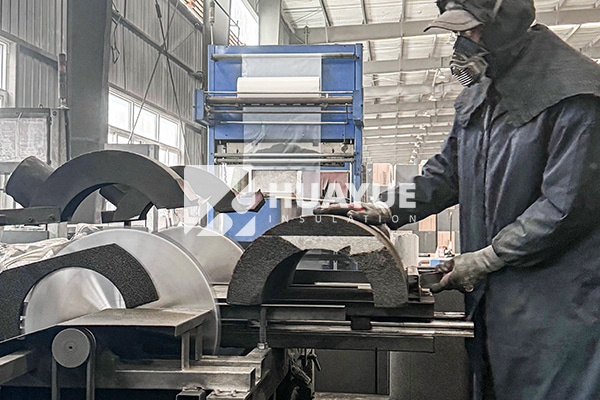
I remember watching engineers struggle during an installation with calcium silicate products. They found the material cracked easily, and once the tank shell was exposed to moisture, the risk of corrosion went up. The other challenge was extra time spent patching these cracks. Meanwhile, when handling foam glass, I noticed most complaints were about the material cost and its rigid blocks. Custom fitting foam glass is harder than cutting fiber or foams, which slows project schedules. Foam glass also costs more upfront, making budgeting a bit tricky. But, the lack of water absorption means one does not worry about CUI, and fire accidents are less likely. Calcium silicate also resists high temperatures but has a bigger problem with brittle damage from physical shocks.
Is calcium silicate or foam glass a good insulator?
Choosing insulation that performs well can make your operations safer and save on energy expenses.
Both calcium silicate and foam glass are excellent insulators. Foam glass provides slightly better resistance against fire, water absorption, and chemicals, which makes it ideal for harsh environments.
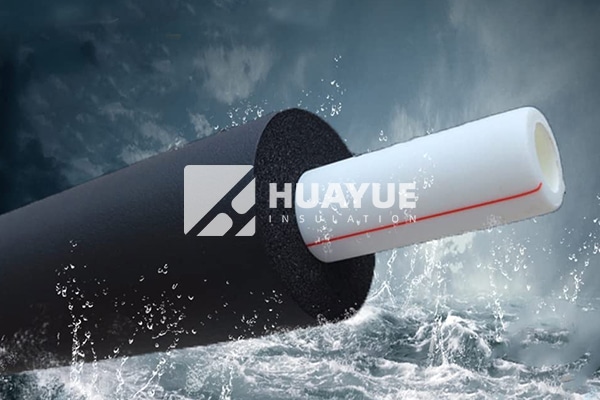
I needed insulation for a plant with frequent temperature changes and plenty of risk for leaks or accidental spills. Foam glass stood out because water cannot get into its closed cell structure, so the insulation level stays high year after year. Calcium silicate offers very good thermal resistance and can handle high-temperature steam pipes, but it does not block moisture as well. Moisture finding its way inside calcium silicate leads to insulation loss and even plant shutdowns for repair. On balance, foam glass protects against these problems, working for cryogenic storage and chemical tanks. Whenever demanding conditions are present, foam glass wins for keeping energy bills controlled and maintenance low.
What is the healthiest insulation for a house?
Many people worry about air quality, allergies, and safety caused by the insulation used in their homes.
Foam glass is among the safest insulating choices for houses. It is non-toxic, does not release fibers or gases, and does not encourage mold growth in walls or attics.
Homes need materials that keep families healthy. Calcium silicate and foam glass do not have the allergen risk of fiberglass. Foam glass gives even more protection because it does not absorb water, so mold and bacteria rarely grow. I spend time checking air quality after renovations. With foam glass, there is never a “new insulation smell,” and no glass fibers blowing into the living space. Calcium silicate is also safe, but installation must be careful to prevent extra dust. If health concerns matter for you or your clients, foam glass insulation gives peace of mind by blocking moisture, stopping the spread of mold, and not breaking down over time.
What is the life expectancy of FOAM GLASS?
Facility managers and homeowners expect insulation to last as long as possible with little repair and no performance drop.
Foam glass can last over 50 years. Its closed cell structure resists aging, chemicals, fire, and water, which keeps insulation effective for decades.
I helped choose insulation for an older tank retrofit where downtime would be very expensive. We selected foam glass because it never rots, does not rust, and keeps its shape after decades on the job. The contractor estimated that foam glass insulation would outlive the tank itself, sometimes lasting 60 years or more. I checked test results showing little change in insulation value. Foam glass’s long life makes it the ideal choice for critical systems where total cost of ownership matters. I have seen some foam glass installations still working after half a century, without major repairs or loss of protection.
Conclusion
Foam glass and calcium silicate both insulate well, but foam glass lasts longer, resists moisture, and keeps buildings and tanks safer over time.